Five Fall Styling Moves That Keep Polka Dots From Turning Retro
Polka dots have outlasted the typical trend cycle; five specific methods of wearing them in cold weather show why.
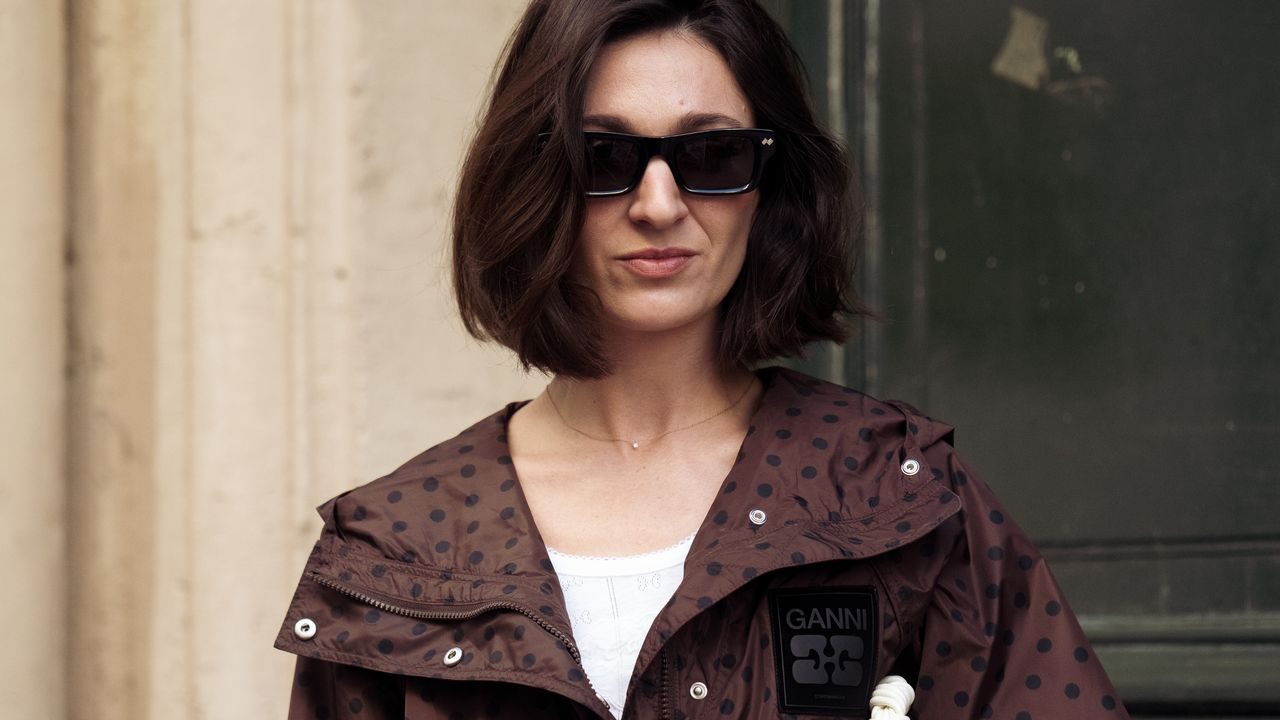
Image: glamour.com
A print that outlasts the cycle
Polka dots have been building for several seasons, and by 2026 they've become a defining element of the year — the print shows up on nail art as well as clothing. The tension is seasonal. Spring and summer styling has never been the hard part; a polka-dot dress works on the first warm day, and the print's cheerful energy matches hot weather. Fall demands the pattern work under layers and against darker palettes, where the same dress reads differently. The five approaches that follow treat polka dots as a structural element of an outfit rather than a surface pattern — as a neutral, an athletic accent, an accessory, a mixing partner, or a full-body commitment. The gap between warm- and cold-weather styling is wider than it looks: summertime leans on the print's own brightness, while autumn has to manufacture interest from structure, contrast, and layering. That reframing is why the print keeps returning without ever quite turning retro.
The office shortcut: dots as a neutral
The fastest route to a fall wardrobe refresh is swapping a solid basic for the same garment in polka dots. A classic button-up shirt or a pair of wide-leg trousers in a white-and-black dot pattern behaves almost exactly like its plain counterpart — it coordinates with the same blazers, knitwear, and outerwear. The difference is that colorful accessories pop harder against a dotted field than against solid fabric. This approach is particularly effective in office settings, where the black-and-white combination reads as professional without requiring a strict suit. The stylist's move is to keep the rest of the outfit quiet: a dotted shirt under a charcoal blazer, or dotted trousers with a cream knit. Treating the print as the baseline means one accent — a bag, a shoe, or a lip color — carries the color story for the entire outfit, and the print performs the role of a neutral with a visible upgrade a plain garment cannot deliver.
Athleisure friction
There is a tension in pairing a print with formal roots alongside track pants, and that tension is the point. A polka-dot windbreaker over a white tee, with track pants and sneakers, reads as offhand rather than costume. The print's inherently refined character — the same quality that makes it work in office settings — elevates inherently casual weekend pieces. Sunglasses and neutral basics complete the look, and the result is an outfit that moves from morning errands to brunch without a change. The combination works because neither element compromises the other: the athletic pieces keep the dots from feeling precious, and the dots keep the athletic pieces from feeling sloppy. A structured print inside an unstructured garment keeps the silhouette relaxed while the pattern does the visual lifting. The proportion play matters: a cropped windbreaker sitting above a looser track-pant hem creates a line that the dot pattern traces across the body. It is a style of friction, not blending.
Small doses, big effect
The smallest polka-dot pieces deliver the print's effect with the least commitment. A polka-dot scarf knotted at the neck of a cream skirt-and-knit outfit, a polka-dot bag against a black look, or a pair of dotted shoes at the end of a plain silhouette — each one converts a basic outfit into something with a point of view. There is a real distinction between wearing a print and styling it. Wearing means putting the dotted garment on. Styling means positioning it — a scarf placed with intention, a bag chosen because the outfit needs motion. The accessory approach is also a gateway for people who don't want to commit to a full dotted garment. A single dotted element against the muted backdrop of autumn clothing stands out more than a fully printed coat would, and a dot-pattern shoe or scarf can be retired when the print cycles out of fashion without requiring the owner to abandon an entire coat or suit. The print becomes a punctuation mark rather than a full sentence.
When dots meet plaid
The instinct to keep polka dots separate from other patterns is widespread, but the print actually coordinates with plaid, leopard, florals, and stripes with surprising ease. The common thread is that dots are a graphic, geometric pattern with enough visual structure to hold their own. A graphic T-shirt worn with a polka-dot skirt and knee-high boots generates a layered look where each pattern seems to converse rather than compete. The critical mistake is overthinking the pairing — the wider the mismatch between the two patterns, the more deliberate the styling looks. The eye reads intention in contrast. Scale difference is the mechanism: a fine dot against a bold plaid block, or a dense leopard spot against a widely spaced dot, keeps the two prints from merging into visual noise. This approach rewards a kind of confidence in pattern-mixing that fashion insiders use regularly, but the mechanics are learnable.
Going all the way
The final approach abandons moderation. A full polka-dot look — matched set or mismatched top and bottom — operates on the principle that more is more. The resulting outfit carries personality on its own. For weekend wear, sneakers or ballet flats bring it down; for an evening level of polish, slingbacks or wedge-heel boots raise it. A matching set offers the simplest route, but combining different dot scales or colors across pieces is the more advanced version. A denim jacket or black blazer over the top acts as a grounding layer that breaks up the print and gives the eye a resting point. The full-print approach works because it removes the question of what to pair — the outfit is already decided. What remains is silhouette: a fitted dotted top with wide dotted trousers reads differently from a loose matching suit, and the footwear choice determines whether the look lands casual or dressed. Proportions are the only real variable, since the fit of a garment matters more when every inch is printed.
Draws on source material published at glamour.com.
Keep reading
Plaid Skirts Return: Why the Old Schoolyard Basic Is Now the Season's Sharpest Layer
From Catholic-school uniforms to the runways, the plaid skirt has become the fall staple fashion girls rely on — here are five specific ways to wear it now.
Graphic Tees Are Fall's Most Underrated Layer — Six Looks That Skip the Jeans
With A-list endorsements from Zendaya to Taylor Swift, the graphic tee has evolved. Here are six outfit formulas for turning it into a fall staple without a single pair of denim.
Fall's Biggest Print Is Deer—and Pencil Skirts Are Going Flowy
From Target shelves to campus coffee shops, the season's trends are a mash-up of nostalgia and new proportions.