What Your Cashmere Price Tag Actually Buys
We went to the mills of Northern Italy to find out why one sweater costs $295 and another costs $29 — and what you get for the difference.

Image: refinery29.com
Is expensive cashmere actually worth the price?
Yes, when the price buys long-staple fibers and hand-linked craftsmanship rather than just a label. The difference begins with the fiber itself: high-tier houses select long, ultrathin undercoat hairs from Mongolian goats, which interlock tightly when twisted into a smooth, strong yarn. Budget brands use the short, thick leftovers—sweepings and coarse outer hairs—that lack the length to anchor, so their ends stick out and roll into pills under friction. In a Falconeri knit, optical sensors in Biella cut out micro-imperfections before the yarn is spun, and in Avio, seamstresses hand-link seams flat so they never pull or distort. The result: a $295-plus sweater that holds its silhouette, resists pilling, and softens with every cold-water wash, while a high-street version sags, stretches, and fuzzes after one afternoon and is embarrassing by wear three. As the writer saw, a garment passes through dozens of hands and checks; that layered process, not brand prestige, justifies the cost-per-wear.
Can you machine-wash cashmere?
Yes, and you probably should. The artisans in Milan laughed at the idea that cashmere is strictly dry-clean-only. Dry cleaning uses harsh chemicals that strip the fiber's natural oils over time, leaving it dull and brittle. Cashmere loves water. You can safely wash your knits in a standard washing machine, provided you use a low-tumble, delicate cycle with cold water and a gentle detergent. Low friction is the goal—not a violent spin. This is why the craftsmen stressed that a fine cashmere sweater gets softer every time it touches water, as the fibers relax and the natural oils remain intact. So skip the dry cleaner for that expensive piece; the washing machine, used properly, will keep it feeling luxurious for years.
How should you store and de-pill cashmere?
Get ahead of pilling with a fine cashmere comb. The craftsman in Italy showed me how running it lightly over friction points—underarms, elbows, any place your arms rub—catches stray strands before they roll into dense pills. Then remember that gravity is the enemy: heavy hangers stretch the shoulder seams and ruin the necklines on structured knits. Never hang cashmere. Instead, lay it flat to dry after washing, and store it folded on a shelf. This simple habit prevents the two most common signs of aging in a knit: stretched-out shoulders and a wavy hem. A quality knit will stay crisp for decades if you keep it off a hanger and comb it regularly, while the same sweater hanging in a closet could look like a thrift-store reject within a season. The comb, specifically, works because it lifts the loose fiber ends that would otherwise ball up, and doing this after each wear before washing catches them early.
Can cashmere be worn in summer?
Absolutely—fine-gauge cashmere is thermoregulating, meaning it keeps you cool in heat and warm in cold. An ultrafine Falconeri sweater worn in scorching Milan with capris and kitten heels doesn't trap heat. Tying it around your neck is a smart move for when indoor air conditioning blasts; for cool fall mornings, let a thin white T-shirt peek from underneath the V-neckline and wear it with everything from jeans to pencil skirts. Because cashmere is naturally breathable, it belongs in your wardrobe 365 days a year, not just as a winter layer. The trick is choosing a fine gauge—the ultrafine weight is light enough to read as a shirt, not a sweater—so it layers under blazers in July and over turtlenecks in January.
What does raw cashmere look like before it's spun?
Massive pallets of fluffy raw Mongolian goat hair arrive straight from the pastures at the Biella factory floor. The undercoat—the fine inner layer that protects the goat from cold—is what high-tier houses covet. In its untapped bulk form, it's extraordinarily soft, super light, and extremely delicate, like wearable cotton candy without the stickiness. Each fiber is long and ultrathin, which is why it can be twisted into a smooth, strong yarn. The sheer scale of the pallets shows how much raw material is needed: a single garment requires a surprising amount of this fragile fleece, and the handling must be precise because the fibers are so fine. The pallets are stacked floor to ceiling, and the fiber is so light that a handful seems to weigh nothing—yet it's resilient enough to form the basis of a sweater that lasts years. These pallets represent the raw beginning of a garment designed to endure, and they set the ceiling for what the finished sweater can be.
Draws on source material published at refinery29.com.
Keep reading
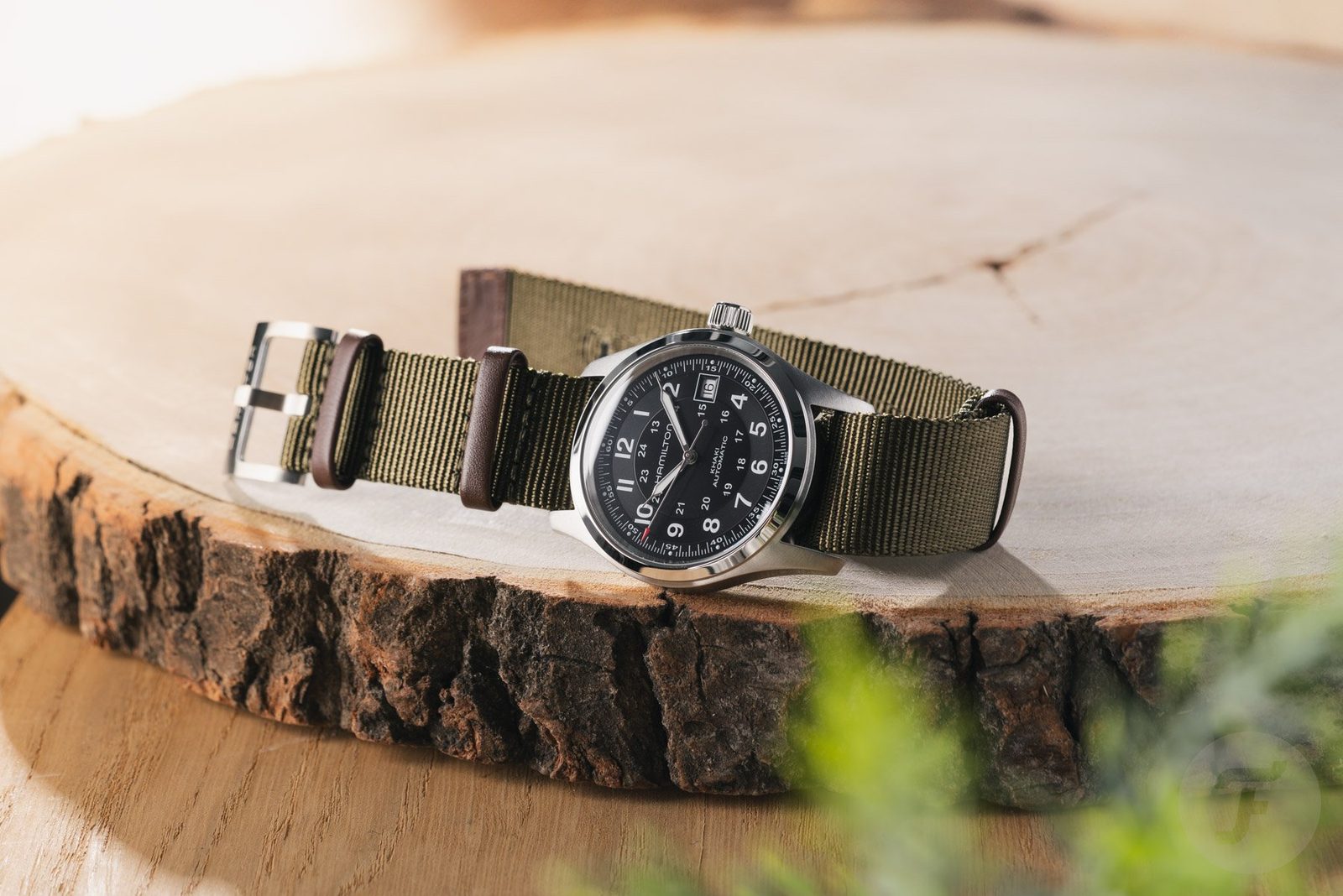
Eight Contradictions That Define the Field Watch
From the spec that created a genre to the skeleton that rejects minimalism, these tensions explain why the field watch feels so right on the wrist.
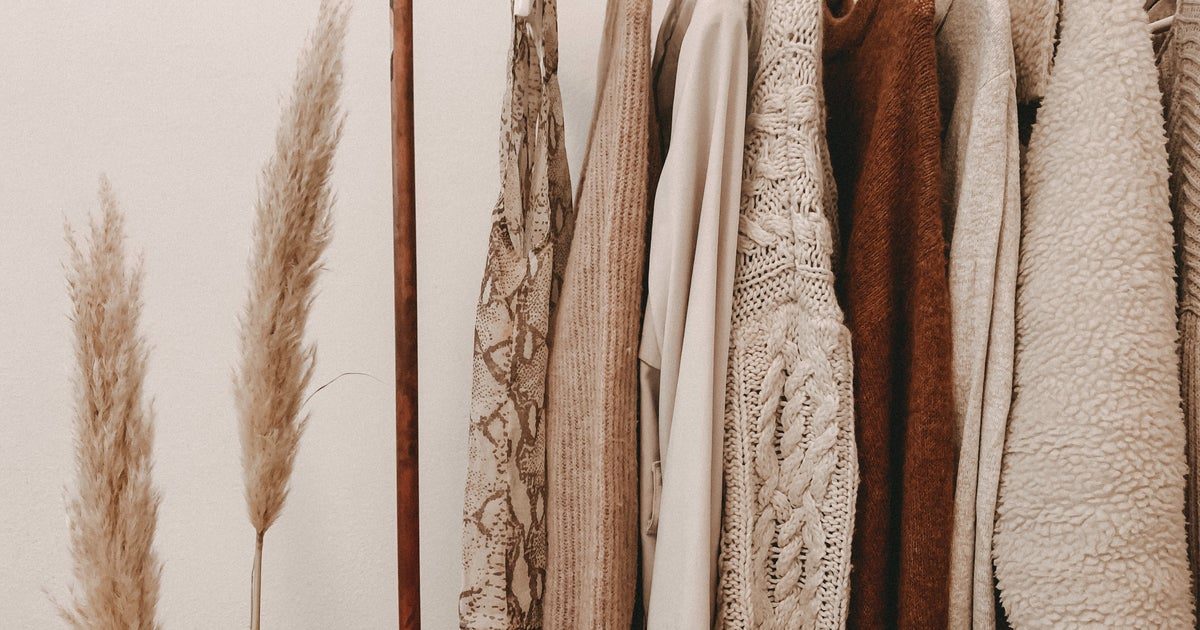
Fall's Biggest Print Is Deer—and Pencil Skirts Are Going Flowy
From Target shelves to campus coffee shops, the season's trends are a mash-up of nostalgia and new proportions.

Can Apple Cider Vinegar Make Your Hair Shinier? The Evidence, the Risks, and the Right Ratio
Trichologists and dermatologists explain how ACV clarifies buildup, soothes scalps, and boosts shine — and where it can go wrong if you skip the dilution.