Eight Contradictions That Define the Field Watch
From the spec that created a genre to the skeleton that rejects minimalism, these tensions explain why the field watch feels so right on the wrist.
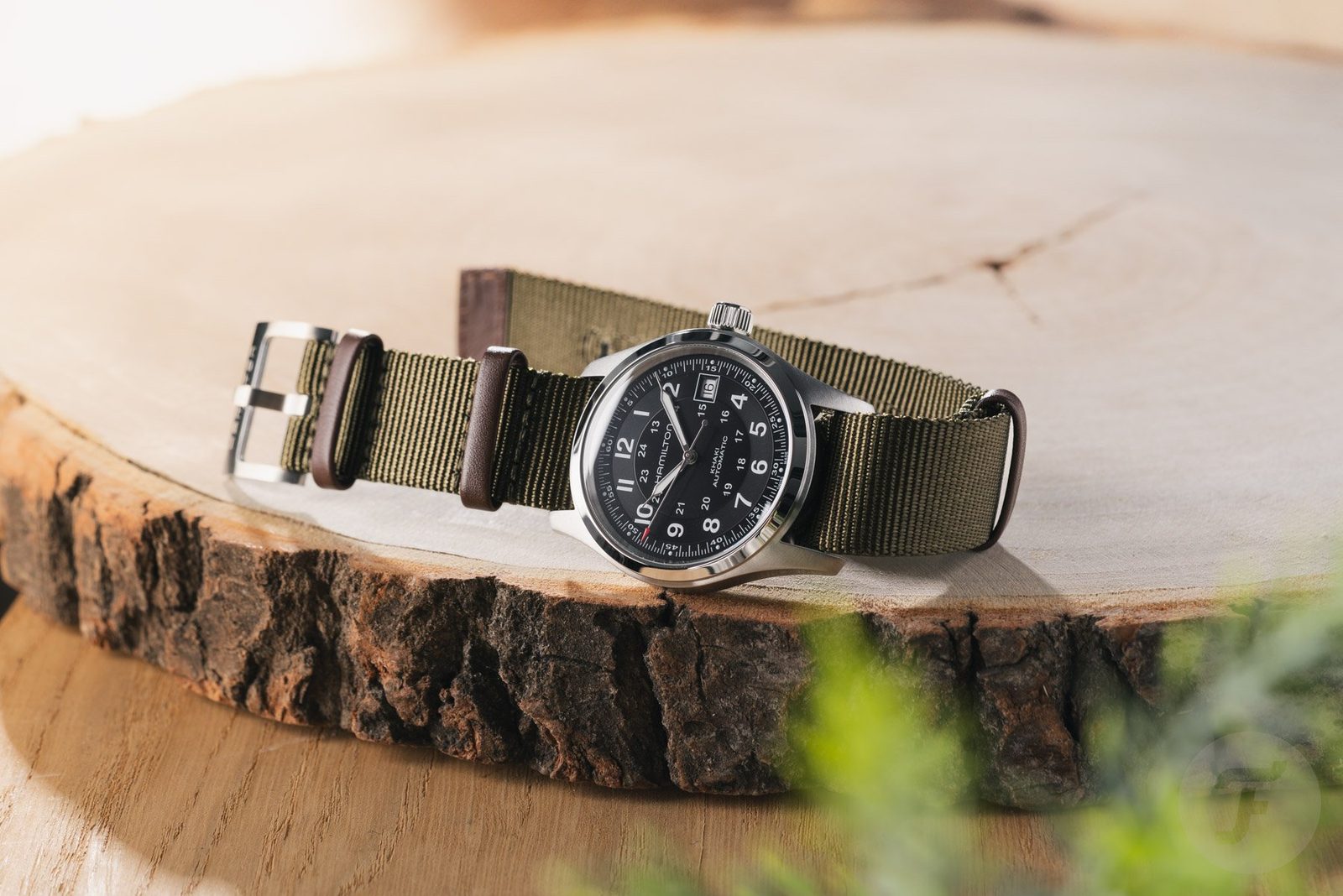
Image: fratellowatches.com
The Spec That Defined a Genre
The British Ministry of Defense formalized the soldier's watch in World War II, demanding a black dial, luminous Arabic numerals, a railway-track minute scale, and a sub-seconds register, all in a case robust enough for active service. Twelve Swiss manufacturers—including IWC—were contracted to build it, each case stamped with the broad arrow property mark and the letters W.W.W (Watch, Wrist, Waterproof). Collectors now call them the Dirty Dozen. That spec outlasted the war; it set a template for legibility and toughness that every field watch since has followed. The fact that a government wrote down exactly what a battlefield watch needed—and that a dozen makers delivered without embellishment—tells you why the formula feels so self-evident today. No complications, no bezel, just time read at a glance.
- Era: WWII
- Origin: British MoD
- Design: black dial, luminous Ara
The Pocket Watch That Lost Its Pocket
The field watch began not in a design studio but in the mud of World War I. Officers fumbling for a pocket watch under fire found it inconvenient and sometimes fatal—you need both hands for your rifle. The trench watch was the compromise: a pocket movement strapped to the wrist with wire lugs. Crude, but it worked. That improvisation set a precedent that never really went away. It proved that a watch could be a hands-free tool, not a gentleman's accessory. The wire lugs and the exposed movement were pure function, and they carried an honesty that later generations of designers struggled to replicate. When you see a modern field watch with a simple dial and a fixed strap, you're looking at the direct descendant of a battlefield hack.
- Era: WWI
- Origin: battlefield
- Design: pocket movement with wir
The Neo-Vintage Sweet Spot
IWC's Mark XV, produced from 1999 to roughly 2005, is a case study in why neo-vintage has become a useful term. At 38mm with a modest lug-to-lug, it wears comfortably today—unlike later Mark models that crept upward and lost something. Under the dial, an ETA-based automatic movement provides reliable service, protected by a soft-iron inner case that offers genuine anti-magnetic performance—a feature rooted in its military lineage. The black dial, white Arabic numerals, and a date window at 3 o'clock read clearly at a glance. The sapphire crystal resists scratches, and the movement is easily serviced. For daily wear, you get vintage proportions without vintage fragility: a watch you can strap on without fuss, set once, and let run. Its direct lineage from the Mark X—part of the Dirty Dozen spec for RAF navigators—gives it historical weight, but you don't need to explain that to anyone. It simply does its job, asking nothing of you.
- Case size: 38mm
- Movement: ETA-based automatic
- Era: 1999–2005
- Design: sapphire crystal, soft-i
A Reissue That Refused to Grow Up
Hamilton reintroduced the Khaki Pilot Pioneer Mechanical a few years back, and it's the clearest recent example of a reissue done right. It faithfully recreates the W10 that Hamilton itself built for the British Ministry of Defense in the 1970s—same case shape, same recessed crown, same restrained 36mm proportions, right down to a hand-wound movement when everyone expects automatics. It would have been easy to enlarge it for modern tastes, but Hamilton didn't. The watch is better for it. The hand-wound movement forces a ritual that many collectors find satisfying: you wind it each morning and feel the connection to the original tool. It's not a tribute to a design; it's the same design, with modern materials and no compromises.
- Case size: 36mm
- Movement: hand-wound
- Era: 1970s reissue
- Origin: Hamilton for British MoD
The Entry Point That Teaches the Lesson
My first mechanical watch was a Seiko 5, the SNZG, and it taught me most of what I still believe about this category. At 42mm with a robust case and a reliable automatic movement, it wasn't refined, but it was honest. The movement winds itself with wrist motion, so there is no battery to change and no winding ritual—just a glance at the black dial with its white numerals and the two hands doing their job. It cost next to nothing, took a beating without complaint, and made a hand-wound Hamilton or a soft-iron IWC feel like a natural next step rather than an intimidating one. There's a reason so many collectors trace their obsession back to a Seiko 5: it proves that a field watch's core—legibility, durability, no fuss—doesn't require a luxury budget. The SNZG asks nothing of you, and that's precisely the point. It's the perfect on-ramp to the entire philosophy, a watch that disappears on the wrist while still telling you the time without drama.
- Case size: 42mm
- Movement: automatic
- Price: budget
- Origin: Seiko
The Purest Expression, for Less Than a Strap
The same discipline extends well below mechanical watchmaking. A Casio MQ24-7B2 or a Timex Weekender costs less than a strap for some of the watches above, yet keeps the same brief: a plain white dial, a 35mm resin case, and a battery that runs for years. That's not a lesser expression of the field watch idea; it's arguably the purest one, tracing straight back to the disposable ethos of MIL-W-46374 itself. American forces standardized that spec in the 1960s, ranging from simple mechanical watches to disposable plastic-cased pieces issued to troops in Vietnam. A quartz field watch carries that same spirit: a tool you can lose, replace, and not mourn. The lack of precious materials or advanced mechanics is precisely why it works.
- Case size: 35mm
- Movement: quartz
- Price: very low
- Design: disposable, traces to MI
Independents Carrying the Torch
Microbrands have arguably done more for the field watch category in the last decade than anyone else. Freed from the margins and marketing demands of bigger houses, independent makers lean hard into surplus-inspired dials and honest case finishing. Prices rarely ask you to justify the purchase to anyone. Some lean explicitly military—like Timor, a small UK brand that focuses on field watches, offering two heritage reissues (the ATP and a Dirty Dozen reissue) plus a more modern take with a black case, black dial, and stark white numerals. Others simply borrow the grammar: legible numerals, minimal branding, a strap over a bracelet, and let the watch do the rest. The result is a steady stream of affordable, no-nonsense field watches that respect the original brief.
- Origin: independent
- Design: surplus-inspired dials,
The Skeleton Alternative to Minimalism
Not every watch needs to follow the field watch brief. The same hobby that celebrates simplicity also rewards complexity for its own sake, leading some makers to skeletonize dials and expose the movement. These are not tools to be forgotten but objects to be examined. A field watch succeeds by fading into the background; a skeleton watch succeeds by demanding attention. The contrast is instructive. The field watch, born from the trenches of the First World War and formalized by British military specifications, demanded a black dial, luminous Arabic numerals, a railway-track minute scale, and a robust case—all for the sole purpose of telling time under fire. There was no room for extra components, no need for decoration. A skeleton watch, by showing gears, springs, and escapements, turns timekeeping into a spectacle. The field watch trusts you to read it quickly; the skeleton watch asks you to slow down and look. Each answers a different question about what a watch should be, but only one disappears on the wrist, and that is the quiet magic of the field watch.
- Case size: 43mm
- Movement: CD-07 automatic
- Price: $599
- Design: skeleton tonneau
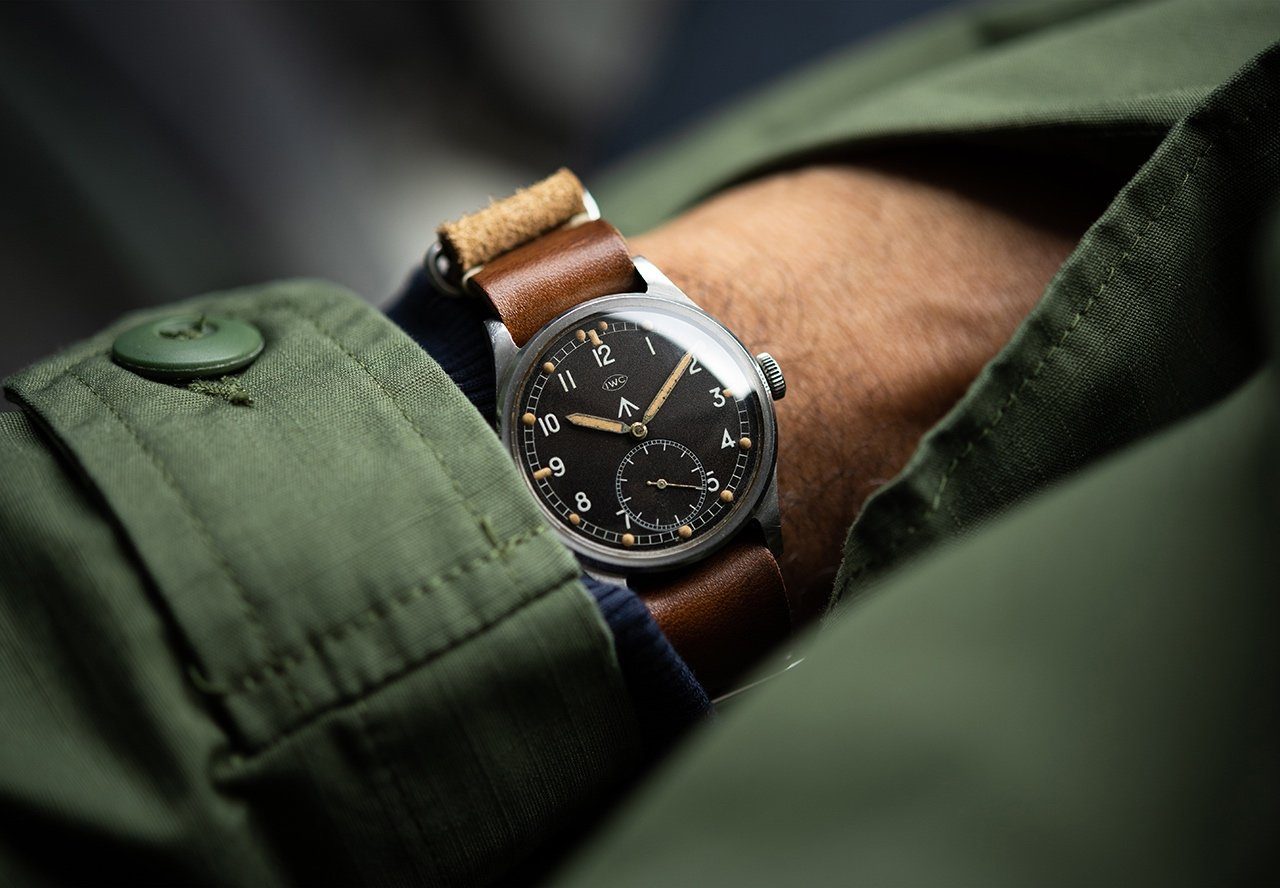
Image: fratellowatches.com
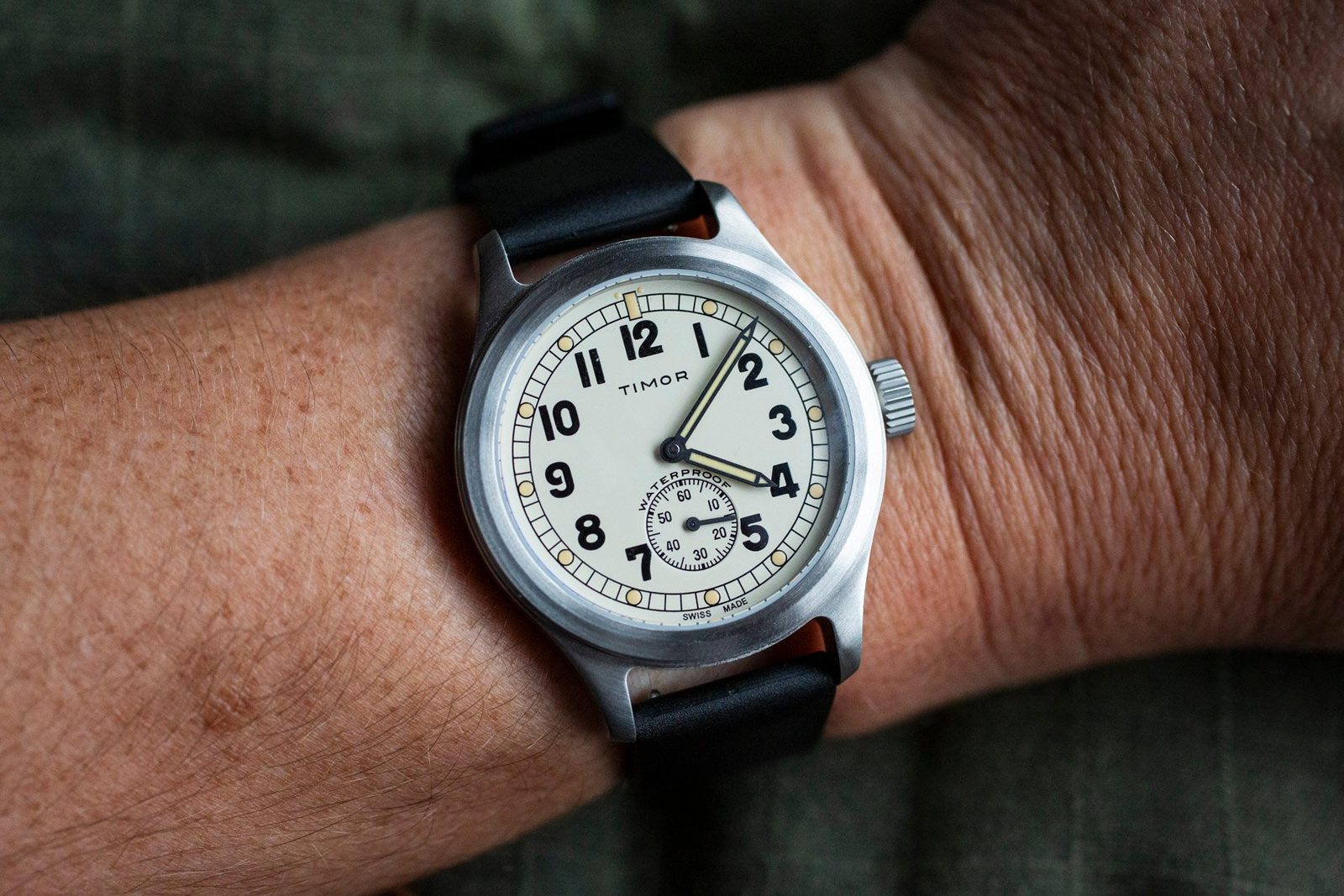
Image: fratellowatches.com
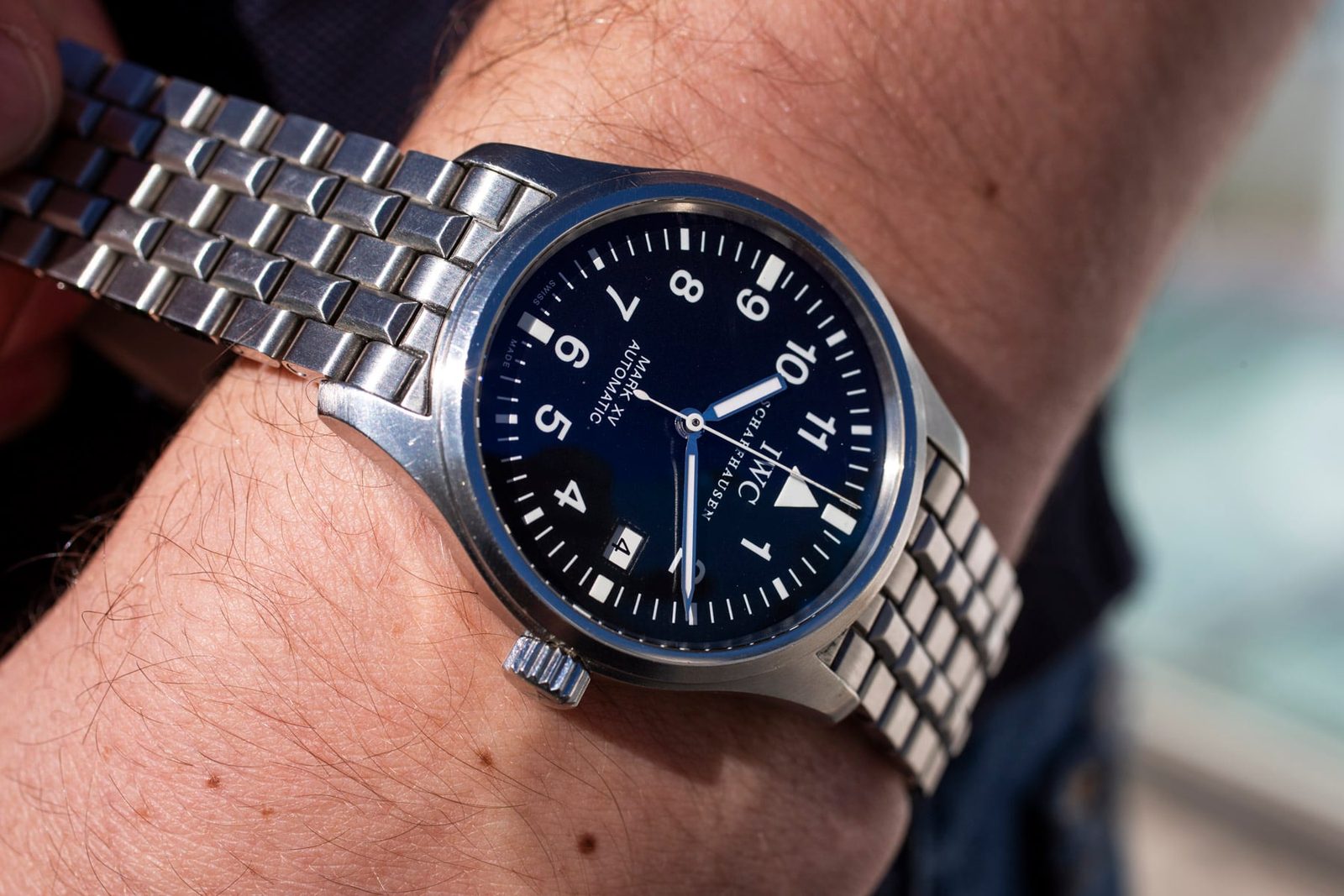
Image: fratellowatches.com
Draws on source material published at fratellowatches.com.
Keep reading
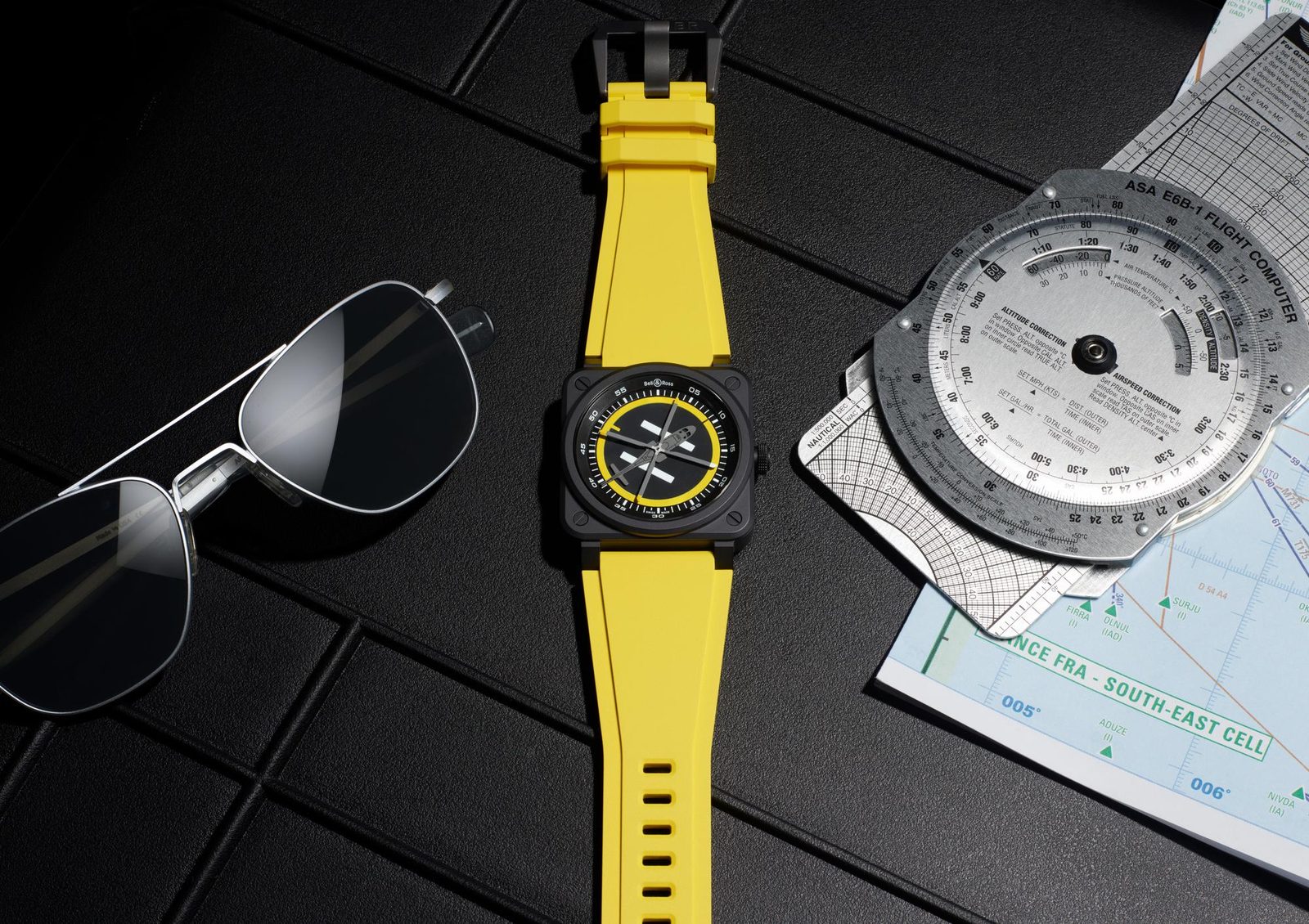
Time, Lifted: How the Bell & Ross Helipad Turned a Seconds Hand Into a Rotor
A helicopter hovers over a landing pad and tells the time — that's the trick behind the BR-03 Helipad, a 41mm ceramic limited edition with no complication to speak of.

What Your Cashmere Price Tag Actually Buys
We went to the mills of Northern Italy to find out why one sweater costs $295 and another costs $29 — and what you get for the difference.

Fall's Biggest Print Is Deer—and Pencil Skirts Are Going Flowy
From Target shelves to campus coffee shops, the season's trends are a mash-up of nostalgia and new proportions.