The $9 Serum That Made an Editor Ask If I'd Had Botox
The Ordinary's new caffeine-and-escin face serum has already stacked hundreds of five-star reviews by doing something deceptively simple — making skin look like it slept ten hours.
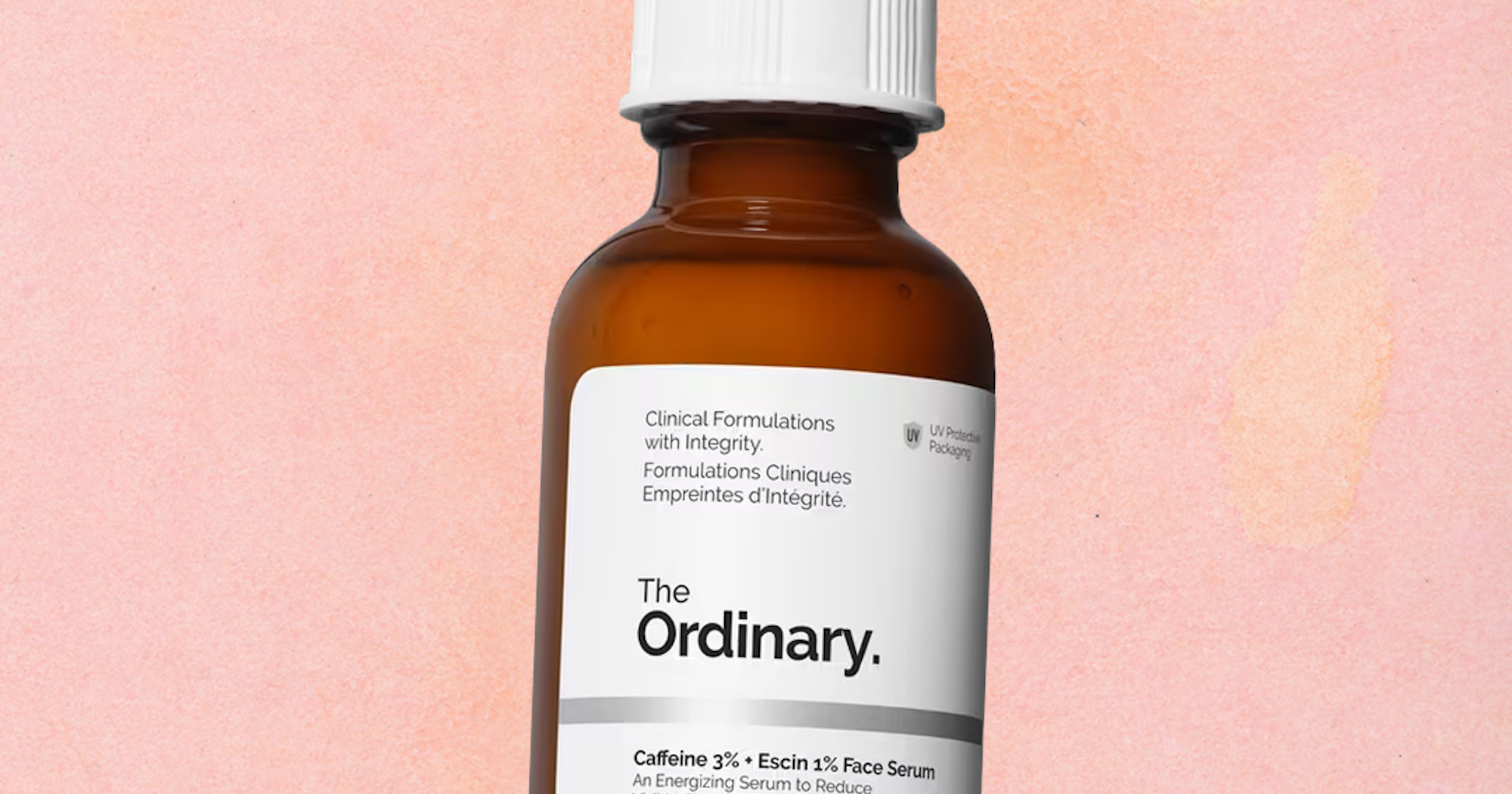
Image: refinery29.com
What's Actually Inside the Bottle
The Ordinary's Caffeine 3% + Escin 1% Face Serum pairs two ingredients that work through the same mechanism — vascular constriction — but from different chemical families. Caffeine, the higher-concentration half of the formula at 3%, is a well-documented antioxidant that temporarily tightens blood vessels beneath the skin's surface, which is why it has long populated under-eye creams. Escin at 1% is the less familiar component: a mixture of triterpenoid saponins extracted from horse chestnut seeds. Consultant dermatologist Dr. Derrick Phillips describes escin as carrying anti-inflammatory and anti-swelling properties similar in direction to caffeine, though he notes that published research on its topical skin benefits remains thinner than caffeine's evidence base. Glycerin — a non-comedogenic humectant that pulls moisture into the skin without clogging pores — rounds out the formula alongside bacillus ferment, included to strengthen the skin barrier.
Why Puffiness Drops and Glow Rises
Both caffeine and escin share the same trick: they constrict superficial blood vessels, which reduces fluid pooling and the swollen, sallow look that follows poor sleep, stress, or seasonal allergies. Because the effect is local — the serum acts on the skin it touches, not the whole nervous system — it will not replicate the jitter of a morning espresso. Dr. Phillips cautions that the duration and intensity of the visible lift depend on the concentration and the surrounding formulation. At 3% caffeine, The Ordinary is positioning this serum at the higher end of what over-the-counter face products typically carry. The glycerin component does double duty: plumping dehydrated skin cells so surface texture smooths out, which in turn makes the complexion reflect light more evenly. That hydration-driven smoothing is likely what produces the "just-had-work-done" impression — not a structural change to bone, fat compartments, or muscle, which no topical can reach.
How to Fit It Into a Routine
The serum works best patted onto dry skin immediately after cleansing, before heavier products that might block absorption. In the morning, a single pipette-full followed by a two-minute wait allows the formula to settle before sunscreen goes on top — the reviewer used Thankyou Farmer Sun Project Light Sun Essence SPF 50+ and found the serum hydrating enough to skip a separate moisturizer. In the evening, it slots between a double cleanse and a plumping gel cream such as Hada Labo Tokyo's version. The reviewer alternated the serum with a retinal product several nights a week to manage hormonal breakouts and maintain exfoliation. For anyone targeting morning under-eye puffiness specifically, Dr. Phillips notes that massaging the serum into the eye area for one to three minutes can enhance the decongesting effect beyond what passive application delivers.
Where the Limits Sit
A serum that tightens blood vessels and floods the outer skin with hydration can make a face look smoother, more sculpted, and more awake — but it cannot reposition fat pads, relax muscles, or alter the facial skeleton. Dr. Phillips draws the line plainly: the lifting and contouring effects are temporary, driven by reduced puffiness and improved moisture levels rather than any structural remodeling. The glycerin-driven plumping and caffeine-driven vascular tightening will fade if the product is discontinued, which makes this a maintenance tool rather than a cumulative treatment. The escin component, while promising in its anti-inflammatory profile, does not yet carry the volume of peer-reviewed dermatological evidence that caffeine does, so its independent contribution to the serum's results remains harder to quantify.
The Ingredient Few People Have Heard Of
Escin — sometimes listed as aescin on ingredient databases — is a natural compound harvested from horse chestnut seeds, Aesculus hippocastanum. It belongs to a class called triterpenoid saponins, which have a soap-like molecular structure that interacts with cell membranes. In pharmaceutical settings, escin appears in treatments for chronic venous insufficiency and post-surgical swelling, lending it a clinical pedigree that its skincare presence has not yet matched. Dr. Phillips points out that escin's antioxidant potential overlaps with caffeine's, but the skin-specific research is still catching up. The Ordinary's decision to pair it with caffeine at a 3:1 ratio appears designed to layer two vasoconstrictors with different chemical origins, targeting the same puffiness and dullness pathways through separate molecular routes.

Image: refinery29.com

Image: refinery29.com

Image: refinery29.com
Draws on source material published at refinery29.com.
Keep reading

What Your Cashmere Price Tag Actually Buys
We went to the mills of Northern Italy to find out why one sweater costs $295 and another costs $29 — and what you get for the difference.
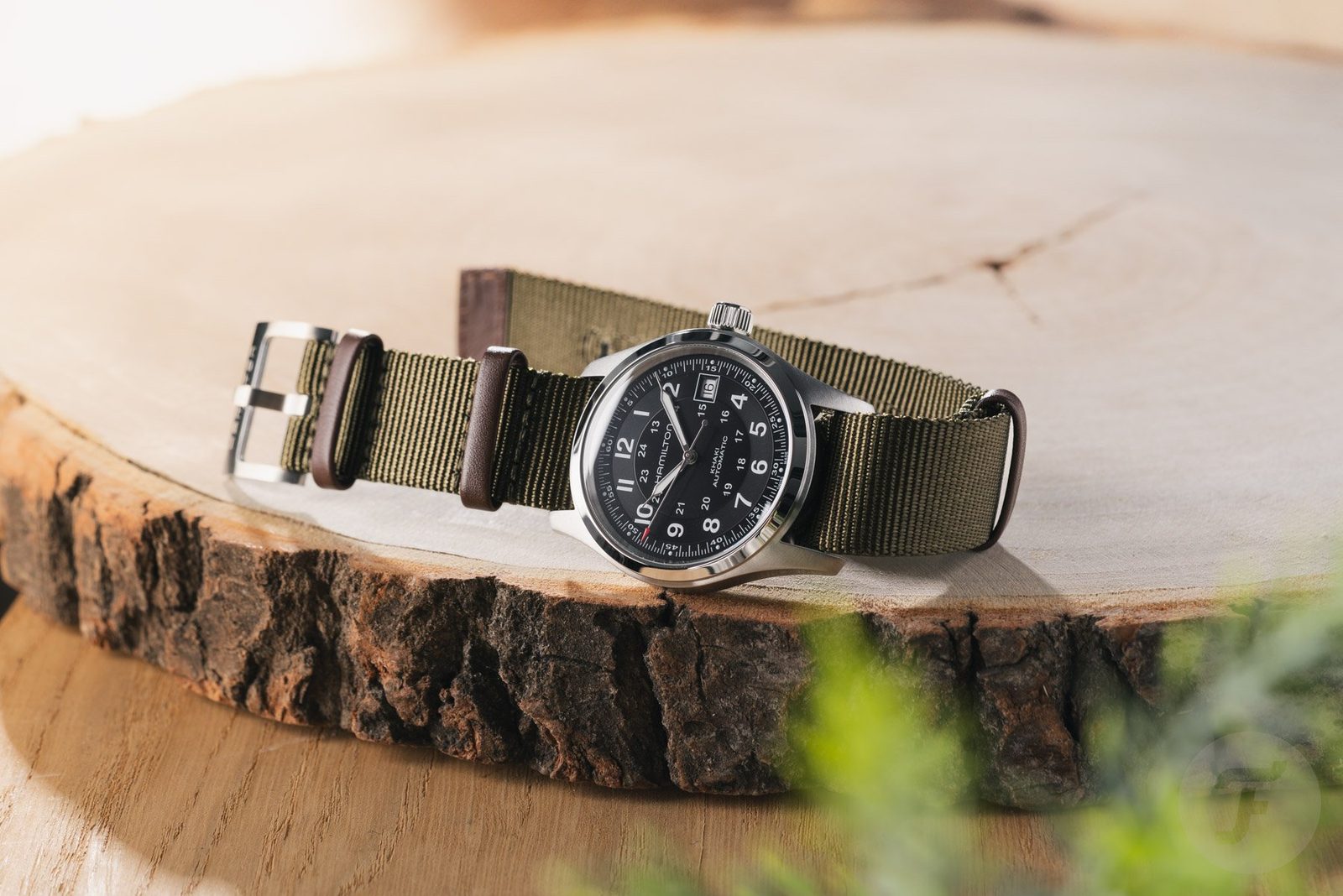
Eight Contradictions That Define the Field Watch
From the spec that created a genre to the skeleton that rejects minimalism, these tensions explain why the field watch feels so right on the wrist.

Fall's Biggest Print Is Deer—and Pencil Skirts Are Going Flowy
From Target shelves to campus coffee shops, the season's trends are a mash-up of nostalgia and new proportions.