Capsule Wardrobes Only Work if You Count What You Already Own
Before you buy a single neutral, audit your closet, check the math on a 25-to-50-piece target, and shop secondhand for timeless cuts that actually fit your life.
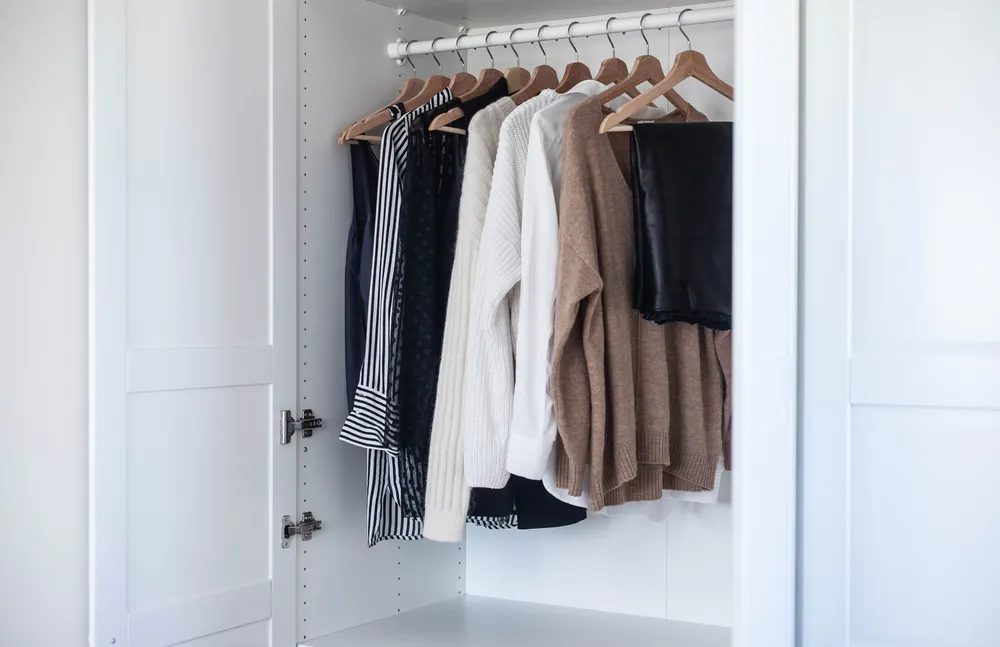
Image: brainwavesearch.com
The 25–50 Piece Math
A capsule wardrobe typically consists of 25–50 pieces, focusing on quality over quantity with versatile staples like neutral tops, bottoms, and outerwear. This range supports mixing and matching to create a variety of outfits, so each item pairs with several others. The approach simplifies and minimizes clutter, addressing overstuffed closets and impulsive shopping. By prioritizing timeless, functional pieces that suit your lifestyle, you reduce decision fatigue and shopping expenses. It’s a sustainable, cost-effective approach that promotes mindful consumption—you need fewer, better pieces.
The Audit: What You Already Own
Before spending a single dollar, empty your closet and sort every garment into three piles: keep, donate or sell, and toss. The keep pile should hold only pieces that fit, flatter, and reflect your current style. Look specifically for adaptable staples such as a white button-down shirt or black trousers—these become the foundation of your capsule. Items that no longer fit or are worn past repair leave the rotation. Once the clear-out is done, you'll see the gaps: perhaps you lack a blazer for work or a good pair of jeans for weekends. That's when you make a shopping list, not when you browse. Donating or reselling what you don't need frees up space and offsets the cost of new additions. This first step is the one most people skip, but it's the reason a capsule on a budget remains a manageable, affordable prospect.
Neutrals and Timeless Cuts
Neutral colors—black, white, gray, beige, and navy—are the backbone of a capsule wardrobe. They are versatile and easy to mix and match, allowing you to create numerous outfits with fewer pieces. Prioritize classic, timeless styles that won’t go out of fashion, such as a tailored blazer, a crisp button-down, or a simple pair of jeans. These pieces serve as the foundation for layering and accessorizing, ensuring your wardrobe stays relevant season after season. By focusing on neutrals and classics, you maximize the versatility and longevity of your capsule collection.
Secondhand and Sales: Where to Buy Smart
Quality doesn't have to mean full retail. Thrift shops and consignment stores regularly stock durable, well-made garments at a fraction of their original price. Online marketplaces like Poshmark and Depop let you search for specific pieces—say, a navy blazer or a white shirt—without scrolling through racks. Sign up for store newsletters to catch clearance sales on staple items. When you do buy new, prioritize fabrics that hold up: natural fibers like cotton, wool, and linen, with tight seams and solid construction. Spending a little more on a few better-made pieces early on saves you from replacing cheap goods every few months. This secondhand-first approach also keeps clothes out of landfills, making your closet as sustainable as it is economical. The hunt takes patience, but the payoff is a curated set of essentials that costs far less than a typical fast-fashion haul.
Match It to Your Life
Consider your daily routine when selecting pieces. If you work in an office, include professional attire; if you have casual weekends, add relaxed outfits; if you exercise, include activewear. Choose versatile items that transition between settings, such as a blazer suitable for both work and dinner. Keep the majority of your wardrobe neutral and interchangeable, but add a few statement pieces that are unique to you. A wardrobe built around your actual lifestyle gets worn and enjoyed.
Draws on source material published at brainwavesearch.com.
Keep reading

Baggy Jeans, Polished: Five Outfits That Balance the Volume
Stylist Amaia Anderson explains how tailored pieces, sharp shoes, and one well-chosen accessory turn the loosest denim into a look for work, weekends, and game days.

What Your Cashmere Price Tag Actually Buys
We went to the mills of Northern Italy to find out why one sweater costs $295 and another costs $29 — and what you get for the difference.
Eight Contradictions That Define the Field Watch
From the spec that created a genre to the skeleton that rejects minimalism, these tensions explain why the field watch feels so right on the wrist.