At the Guyanese Nurses' Ball, the Pledge Is Forgotten but the Party Preaches
Nurses from Guyana and the diaspora gather in New York to dance, reconnect, and argue over what the profession—and the celebration—really means.
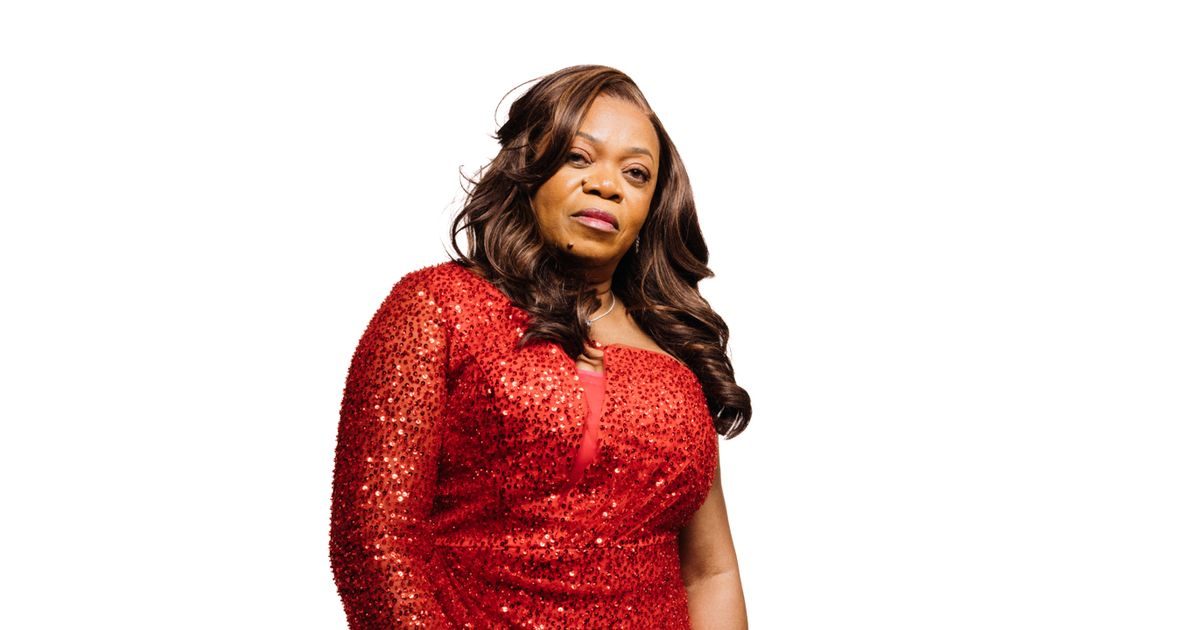
Image: curbed.com
The Nightingale Pledge, Forgotten
Morlon Mitchell, a school nurse in East New York, began her nursing training in Guyana in 1984 and moved to the United States in 1997. She issued a blunt verdict at the ball: the Nightingale Pledge 'is not being recognized' anymore. In her era, 'we were very strict' about 'dressing and professionalism.' Today she sees 'no professionalism these days, even with dressing.' That's not a casual complaint; it's a documentation of a cultural shift in nursing over the course of her training and practice. The pledge, a historical vow to maintain ethical standards, has lost its grip. Mitchell's generation wore crisp uniforms and adhered to explicit codes. Younger colleagues, in her view, don't carry that same weight. The ball, full of retired and active RNs, became a forum for comparing eras. She spoke with the authority of someone who watched the standards erode in real time.
- Role: School nurse
- Place: East New York
- Year: 1984-1997
The Red Shein Statement
Anita Mangal, an RN from Queens Village, wore a red dress that she's 'sorry to say' came from Shein. The red was deliberate: she always carries a shawl with the Guyanese flag, which has red, green, and yellow. 'So it matched my outfit.' The choice of Shein — known for ultra-low prices and fast shipping — contrasts with the formality of a ball. Yet it highlights a practical reality: many nurses don't need a designer gown for one evening. Mangal's outfit worked because the flag's red acted as the anchor. The shawl, a permanent accessory, turned a budget dress into a patriotic statement. Guyanese flag colors aren't just decorative; red symbolizes zeal and energy, exactly what the party requires. Her pragmatic style didn't sacrifice flair. She paired a fast-fashion find with a cherished symbol of home, proving that patriotism doesn't have to come with a high price tag.
- Role: RN
- Place: Queens Village
- Brand: Shein
Hair Isn't Sick
Yvonne Mickle, a nurse from Albany, defines her job by patient satisfaction. 'When I'm finished with my patients, they must be satisfied. I must go home knowing I did my best.' Even for patients who are dying, she insists they 'look good.' Her recurring line: 'You're sick. Your hair is not sick.' That goes beyond vanity. A patient who is groomed and presentable often feels more human and less like a collection of symptoms. Mickle's approach is a practical nursing philosophy that bridges medical care and dignity. She applies the same standard regardless of the patient's condition. The hair comment is a mnemonic she uses to remind herself and her patients that identity persists through illness. At the ball, she wasn't just celebrating — she was carrying that professional ethos with her. It's a simple but powerful standard that distinguishes her practice.
- Role: Nurse
- Place: Albany
Dancing With the Lord
Audrey Adams, a retired RN from Cypress Hills, danced 'so much' at the ball because she rarely goes out. 'Mostly just church on Sunday,' she said. She's Pentecostal, and 'we do a lot of, as we would say, dancing with the Lord in church.' That spiritual practice transfers directly to secular events. 'Whenever I go to any occasion, I'm ready to dance.' Adams' enthusiasm stems from a faith tradition that treats movement as worship. Pentecostal services often feature spontaneous, joyful dancing as a response to the Holy Spirit. She channels that same release into ballroom steps. The ball gave her a rare chance to exercise that upbringing outside a sanctuary. For a woman who limits her outings to weekly services, this night was a major exception. She left the floor only when the music stopped, bringing church energy to the nurses' celebration.
- Role: Retired RN
- Place: Cypress Hills
- Religion: Pentecostal
DJ's Go-To Song
Noel Scotland, an Army staff sergeant from Wilkes-Barre, Pennsylvania, was the evening's DJ. When asked which song gets people dancing, he named Whitney Houston's 'I Wanna Dance With Somebody (Who Loves Me).' That pop anthem is a guaranteed floor-filler, with its driving beat, call-and-response chorus, and feel-good promise. Scotland, who wears a military uniform by day, traded it for a DJ booth at night. He read the crowd perfectly: this audience grew up with Houston's crossover hits, which blended pop, R&B, and gospel. The song's opening synth riff alone is enough to pull even reluctant dancers to their feet. Scotland's choice explains why the ball's dance floor stayed crowded until the final set. He knows that a single well-chosen track can unify a room of Guyanese nurses across generations. Houston remains a common language.
- Role: Army staff sergeant
- Place: Wilkes-Barre, Pennsylvani
- Song: I Wanna Dance With Somebod
The Partying Parallel
Hollis Jackman, a senior child-care worker from Springfield Gardens, answered a question about Guyana and New York with one word: 'The partying.' That, he says, is what the two places have most in common. He sees the parallel in how both cultures prize a good celebration. In Guyana, parties are frequent, loud, and community-focused; New York's Caribbean neighborhoods keep that spirit alive. Jackman's job involves caring for children, but on the ballroom floor he was just another attendee enjoying the late hours. The Guyanese Nurses' Ball is a literal example of that shared love for festivity — an official professional event that functions as a massive dance party. The answer also speaks to the diaspora's integration into New York's social scene. For immigrants, bringing the 'partying' sensibility to their new home is a form of cultural continuity. It's a succinct but revealing observation.
- Role: Senior child-care worker
- Place: Springfield Gardens
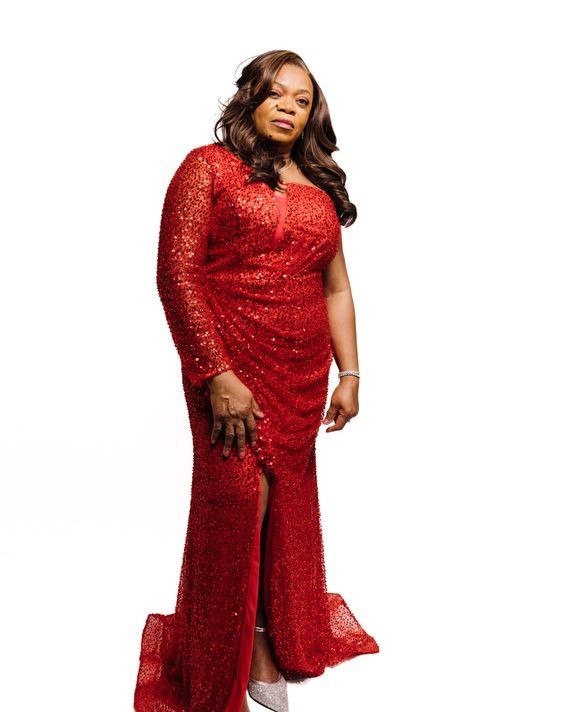
Image: curbed.com
Draws on source material published at curbed.com.
Keep reading
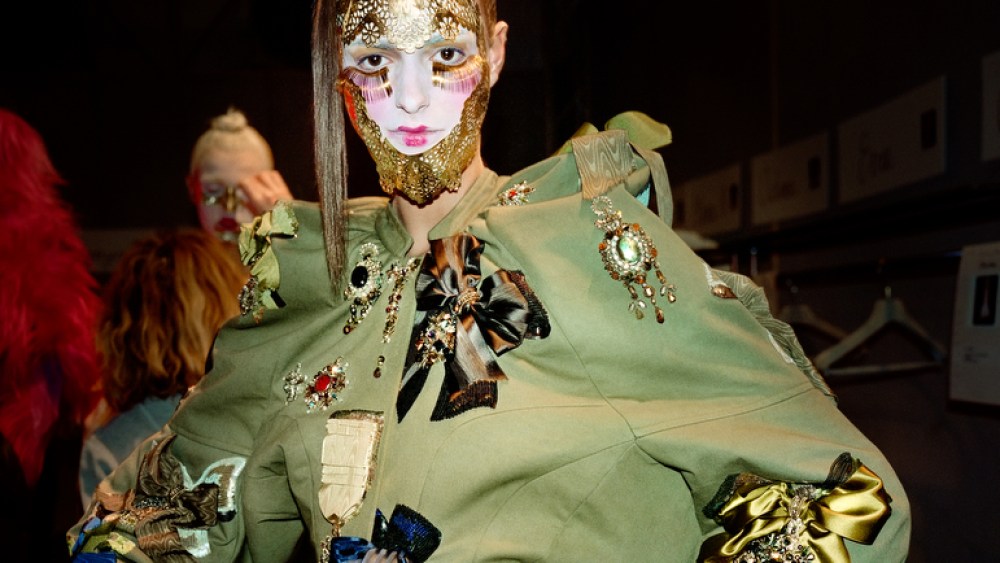
The Met's Galliano Reckoning: Genius, Ruin, and the Long Road Back to the Runway
With the first solo retrospective for a living designer since 2017, The Metropolitan Museum of Art is staging the most complex conversation yet about John Galliano's career—one that refuses to separate the couturier from the scandal.

What Your Cashmere Price Tag Actually Buys
We went to the mills of Northern Italy to find out why one sweater costs $295 and another costs $29 — and what you get for the difference.
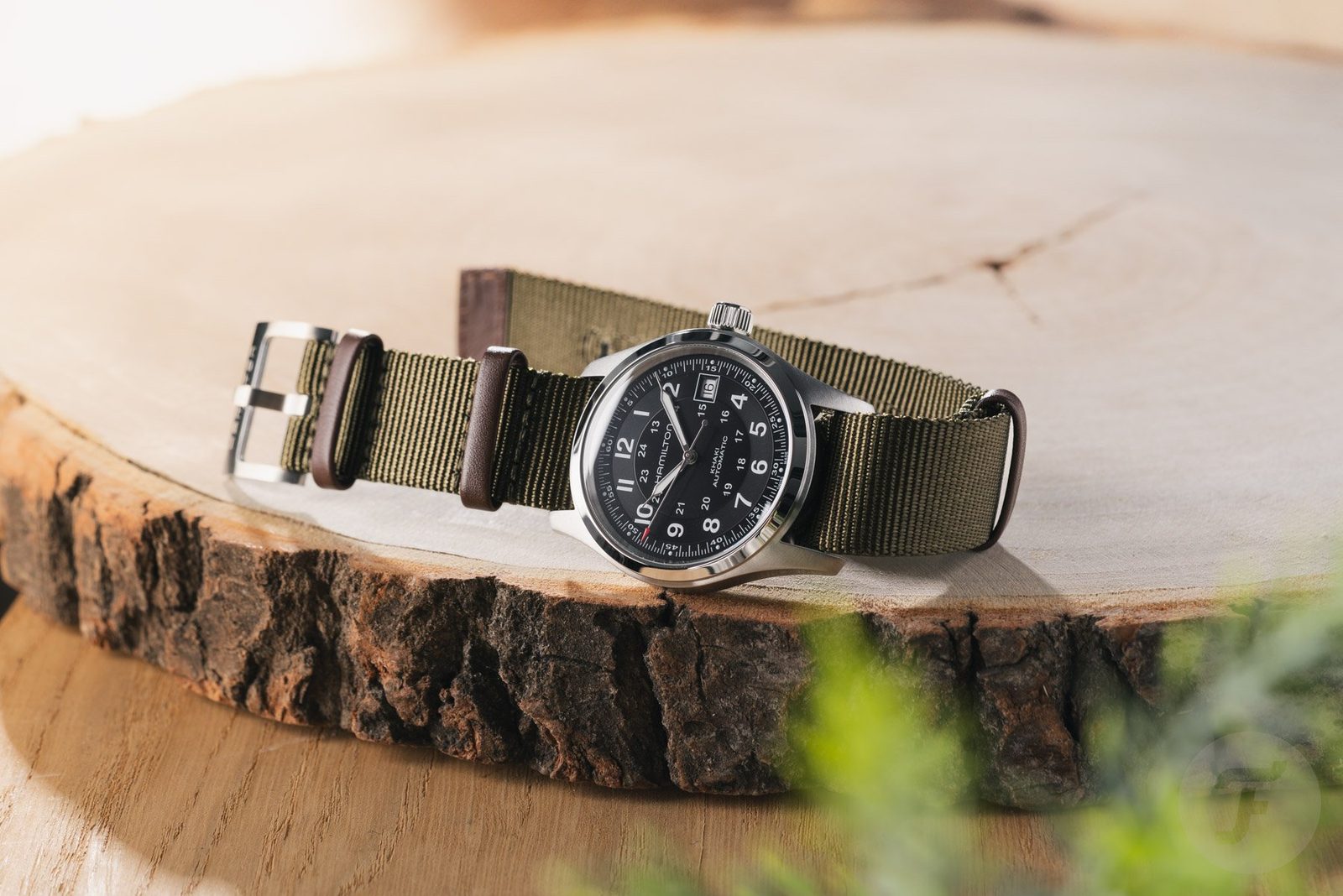
Eight Contradictions That Define the Field Watch
From the spec that created a genre to the skeleton that rejects minimalism, these tensions explain why the field watch feels so right on the wrist.