Habit Formation: Why It Takes 18 to 254 Days and How to Track It
A plain-spoken look at what the science says about building lasting habits — from Charles Duhigg's cue-routine-reward loop to James Clear's four-step model — plus the free tracker that keeps you honest.

Image: stylishlyme.com
What's the habit loop Charles Duhigg describes?
In *The Power of Habit*, Charles Duhigg breaks down every habit into three parts: cue, routine, and reward. The cue is a trigger — a time of day, a place, an emotional state — that tells your brain to start the routine. The routine is the behavior you perform, and the reward is the positive payoff that makes the habit worth keeping. He writes it as a formula: "When I see CUE, I will do ROUTINE in order to get REWARD." For example, it's 3 p.m. (cue), you take a ten-minute walk (routine), and you feel re-energized (reward). To build a new habit, you need to choose a cue you encounter reliably, design a routine that's simple to start, and make sure the reward genuinely satisfies you. Without that final payoff, the brain has no reason to cement the loop.
How is James Clear's model different?
James Clear, author of *Atomic Habits*, adds a craving step to the loop, turning it into cue, craving, response, reward. The cue signals that a reward is available, the craving is your motivation to chase it, the response is the action you take, and the reward is the reinforcement. Clear also argues that for a behavior to stick, it must be obvious, attractive, easy, and satisfying. Practically, that means putting your running shoes by the door so you see them, pairing a task you dislike with something you enjoy, cutting the habit down to a two-minute starting version, and immediately celebrating what you've done. His approach is more tactical than Duhigg's — he suggests habit stacking, where you attach a new behavior to an existing one, and reducing friction, so you have fewer barriers to getting started.
Why should I use a habit tracker?
A habit tracker keeps the habit visible and gives you a hit of positive reinforcement every time you check a box. I keep mine on the fridge, where I see it more than ten times a day, and each glance reinforces my goals. The act of filling in a square makes you feel a quick rush of accomplishment, which reinforces the habit loop. Over months, the tracker provides concrete data — you can see which habits you stick to and when you tend to slip. James Clear endorses this method in his book, calling it a way to keep habits obvious and measurable. The tool doesn't have to be expensive; a free printable grid works. Once a habit becomes automatic — I've written my daily goals for four years without a reminder — you can drop it from the tracker and add a new one. Track only what still needs effort.
How do I actually use a free habit tracker?
A free habit tracker is just a grid — one row for each habit, one column for each day — that you print and hang where you'll see it constantly. My method is to put it on the fridge with a magnet. Each day, after I complete a habit like a workout or an hour of reading, I use a highlighter to fill in that day's square. I use different highlighter colors for me and for my partner, so one sheet can track two people. The template is blank, so you write in the month and dates yourself. That means you can start on any day of the year, not just January 1st. The critical part is placement: out of sight, out of mind, so choose a spot you pass often. You don't need to buy anything — a printer and a marker are enough. If you're traveling often, a sturdier habit journal might make sense, but for home, a loose sheet works fine.
What are some concrete good habits I can start tracking today?
A few specific habits have real staying power. Track 'Fitness' as a single category, but define what counts — yoga, trail running, or strength workouts all work, depending on your mood. Reading for one hour a day comes straight from Brian Tracy's advice, and it's a big step up from the usual 30 minutes. Waking at 5 a.m. gives you a quiet block to fit everything else in, but only if you also manage your evening so you're not exhausted. Eating dinner before 7 p.m. helps you sleep better and makes that 5 a.m. wake more realistic. Other options include: practice gratitude, meditate daily, save money, make your bed every morning, take a daily walk, floss, cut out artificial sugar, limit caffeine, write your goals daily, or stop procrastinating. Pick habits where missing a day has a real consequence — like a fitness challenge with a penalty — rather than ones that are just nice to have.
How do I turn a bad habit into a good one?
Charles Duhigg's method for changing a bad habit is to keep the same cue and reward but replace the routine with a positive alternative. If you smoke when stressed (cue) to get a break and a feeling of relief (reward), you can substitute a five-minute walk or a quick stretching session for the cigarette. The key is to identify your exact cue and reward — often the cue is a specific location, time, or an emotional state you can name. Then choose a replacement routine that delivers a similar payoff. Duhigg stresses that you also have to believe you can make the change, and the reward needs to be strong enough to keep you motivated. With repeated practice, the new routine becomes as automatic as the old one ever was — same cue, new behavior, same reward. It's a structured way to break a habit without just trying to suppress it.
Should I track habits I already do every day?
No — track only the habits that aren't automatic yet. On my current tracker I include 'Fitness', 'Reading 1 Hour a Day', 'Being Positive', 'Wake Up at 5 a.m.', and 'Dinner Before 7 p.m.' I do not track writing my goals, journaling, or gratitude because I've done those daily for years without missing. Once a habit becomes second nature, it no longer needs the visible reminder — adding it just clutters the page and dilutes your attention. The tracker's purpose is to keep a new behavior front and center until you don't have to think about it. James Clear would say you're making the problem of forgetting visible; you want to see those empty boxes that need filling. So review your daily routine and pick out what you still sometimes skip or that costs you real effort. Those are the ones to track. As they become automatic, you can phase them out and add new challenges.

Image: stylishlyme.com
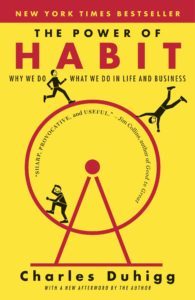
Image: stylishlyme.com
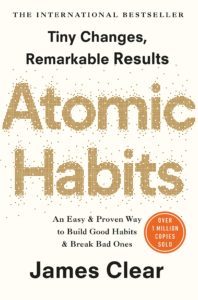
Image: stylishlyme.com
Draws on source material published at stylishlyme.com.
Keep reading

What Your Cashmere Price Tag Actually Buys
We went to the mills of Northern Italy to find out why one sweater costs $295 and another costs $29 — and what you get for the difference.
Eight Contradictions That Define the Field Watch
From the spec that created a genre to the skeleton that rejects minimalism, these tensions explain why the field watch feels so right on the wrist.

Fall's Biggest Print Is Deer—and Pencil Skirts Are Going Flowy
From Target shelves to campus coffee shops, the season's trends are a mash-up of nostalgia and new proportions.