The Ring That Outlasts Her Changing Style Starts With a 100-Year-Old Setting
Buying for a partner who rebuilds her wardrobe every season means keeping the core fixed, the details flexible, and the stone shape older than any current trend.
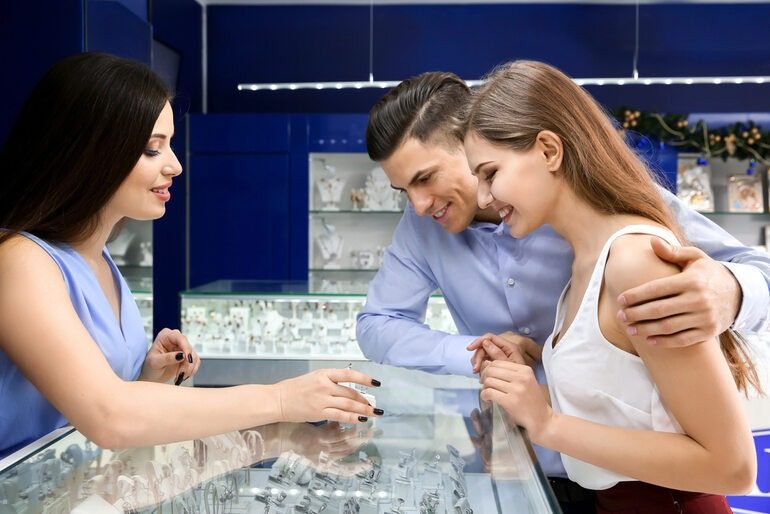
Image: mantelligence.com
The Moving Target
A wardrobe that changes with the season makes a ring a harder buy than a diamond. Pick a look that matches where she is now, and you have matched a moving target — by the time the proposal is a memory, the ring reads as a relic of a style phase. The design principle that holds up for a wearer who changes constantly is a fixed central component with flexible surfaces around it. A plain prong mount, a solitaire, or a clean three-stone layout carries little style signature of its own, which is why the prong mount has stayed in use for roughly 100 years. A bezel does the same work in another direction: a smooth rim protects the stone and reads modern without committing to a trend. The mistake is the reverse — a ring loaded with message content or sculptural detailing ages the moment it leaves the case. A ring built to survive the next phase is the one that never declares a phase at all.
A Silhouette With a History
A stone shape is where personality can enter without pinning the ring to a trend. Marquise, oval, and pear outlines have cycled through fashion for decades and sit somewhere between vintage and modern; round brilliants and cushions read softer but carry the same longevity. When Miley Cyrus became engaged to Maxx Morando, the ring that confirmed it — posted by Morando's father, Dan, on Threads — was a custom 14k yellow gold cushion cut by Jacquie Aiche. The brand described the piece in a press release as the marker of the couple's engagement. Similar Jacquie Aiche designs run upwards of $9,000, with the rose-cut teardrop dome at $9,010, and the trade-off is instructive: the cushion outline does all the visual work, so the setting stays secondary. For a partner who rotates her look weekly, a shape with that much history is the element most likely to outlast every other choice in the ring.
Metal Sets the Limits
Metal is where most buyers underestimate the stakes. Yellow gold reads warm, white gold reads cool, platinum reads neutral, and a partner who moves between dress registers notices the difference every time she puts the ring on. A mixed-metal design, pairing warm and cool tones in one piece, widens the range of outfits the ring can sit beside. Practicality counts as much as tone: 14-karat gold and platinum take the daily knocks of a ring worn through years of changing wardrobes better than softer high-karat gold, which dents under the same routine. The Ettika Treasure emerald-cut cubic zirconia band at $40 shows how far a restrained 24k gold-plated finish can go for the money, and it is the right price for a ring that may not stay the centerpiece forever — a piece whose metal is the constant while the stack around it shifts from thin to chunky as her style moves.
Detailing Without a Date Stamp
Rings go stale fastest on the ornament. A fine pavé running the band adds sparkle without narrowing the ring or announcing a decade; a subtle hidden halo boosts depth without taking over. Heavy embellishment — thick stone clusters, sculpted shoulders — stamps a year on the piece and looks dated when that year passes. Restraint also protects the stone in daily wear, since fewer decorative edges means fewer places for knocks and grime to collect. An engraving inside the band is the one personal detail that never ages, because no one sees it and nothing about the design depends on it. On a ring for a changeable wearer, the decoration should disappear into the design rather than announce itself.
Built to Be Rebuilt
The room to change the ring later is what lets it last decades instead of years. A ring in a common size range can be resized and retipped by a jeweller; a center stone held in a simple prong can be reset into a new mount a decade later without buying a whole new ring. Stacking bands do the same job from the outside — thin one year with a single band, thick the next with a cluster. Two-stone designs, like the Ring Concierge Toi et Moi Diamond Cloud Ring at $1,648, give the wearer two stones to rotate her orientation around, and a 2-carat lab-grown diamond solitaire on a chunky 14k gold band, Bliss Diamond's at $1,100, keeps the central stone the only fixed element. If the ring is made to order, the flexibility is built in from the start: a couple picks a stone shape with a long history and adds one or two details that matter to them, and the design stays open to future changes.
Reading the Evidence
Couples who want the surprise in the timing rather than the ring talk shape and metal before the proposal; the conversation costs nothing and removes the risk. For a true surprise, the evidence is in her jewelry box: the pieces she reaches for most, the metals she already owns, and the pieces she kept for years rather than the ones bought on impulse. The price spread is wide enough to make any of it feasible — a Sami Jewels bezel-set dome at $36, an Effinny 6.0ct elongated cushion cut at $79, a Julianna B. moissanite teardrop halo at $161, an EAMTI 2-carat 925 sterling silver ring at $23, an Aurelia Mae Store baguette dome at $19, a Child of Wild cocktail ring at $98, a Bliss Diamond 3 1/3-carat pear at $1,698, a Brilliant Earth one-of-a-kind at $3,560. A ring chosen that way matches her history and her future without matching her current phase.
Image: mantelligence.com
Draws on source material published at mantelligence.com.
Keep reading
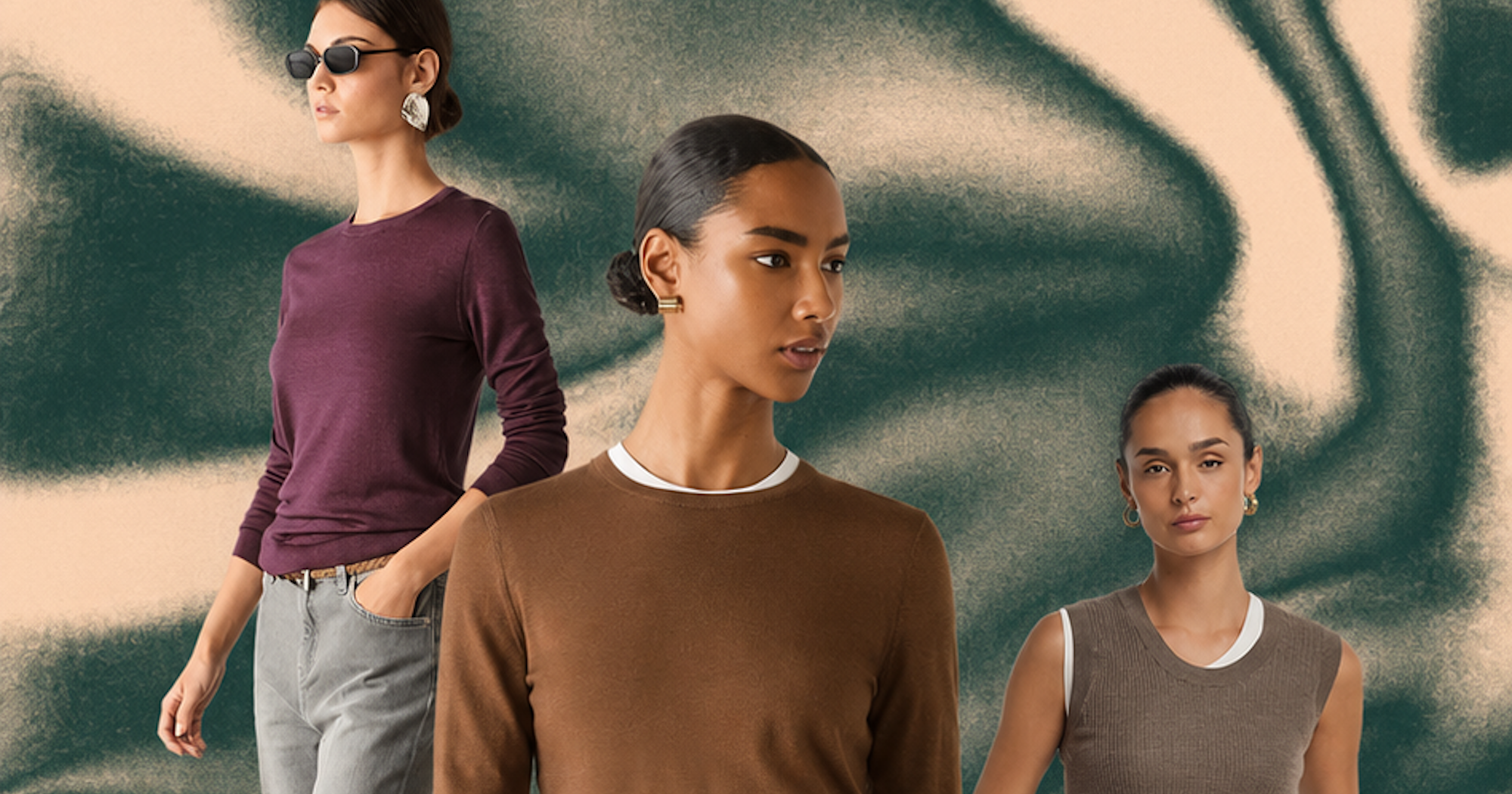
What Your Cashmere Price Tag Actually Buys
We went to the mills of Northern Italy to find out why one sweater costs $295 and another costs $29 — and what you get for the difference.
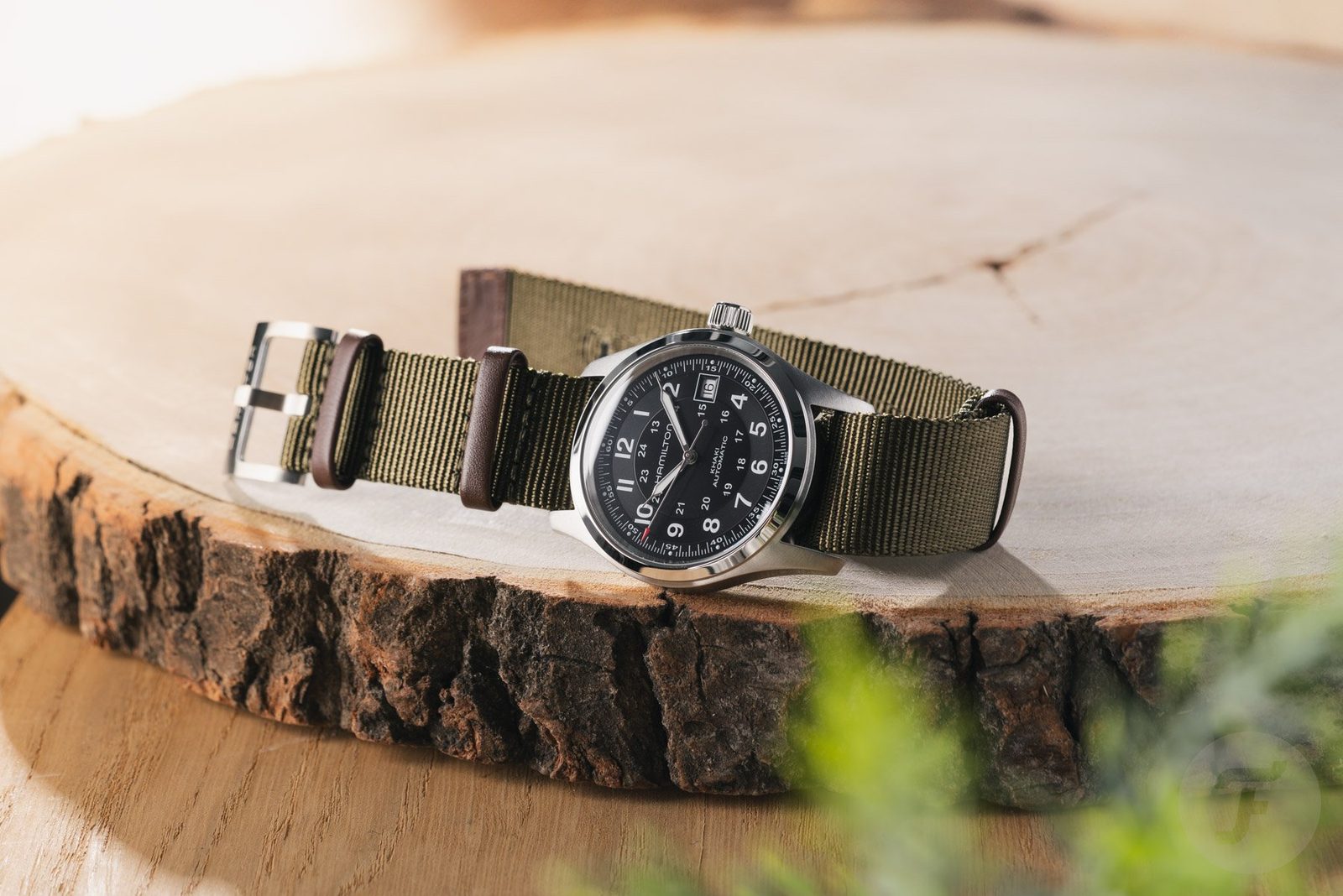
Eight Contradictions That Define the Field Watch
From the spec that created a genre to the skeleton that rejects minimalism, these tensions explain why the field watch feels so right on the wrist.
Fall's Biggest Print Is Deer—and Pencil Skirts Are Going Flowy
From Target shelves to campus coffee shops, the season's trends are a mash-up of nostalgia and new proportions.