The Sectioning Trick That Gives Layered Braids Their Sculptural Lift
A two-stage paneling system turns a standard Dutch braid into a stacked, dimensional style that photographs cleanly from every angle.
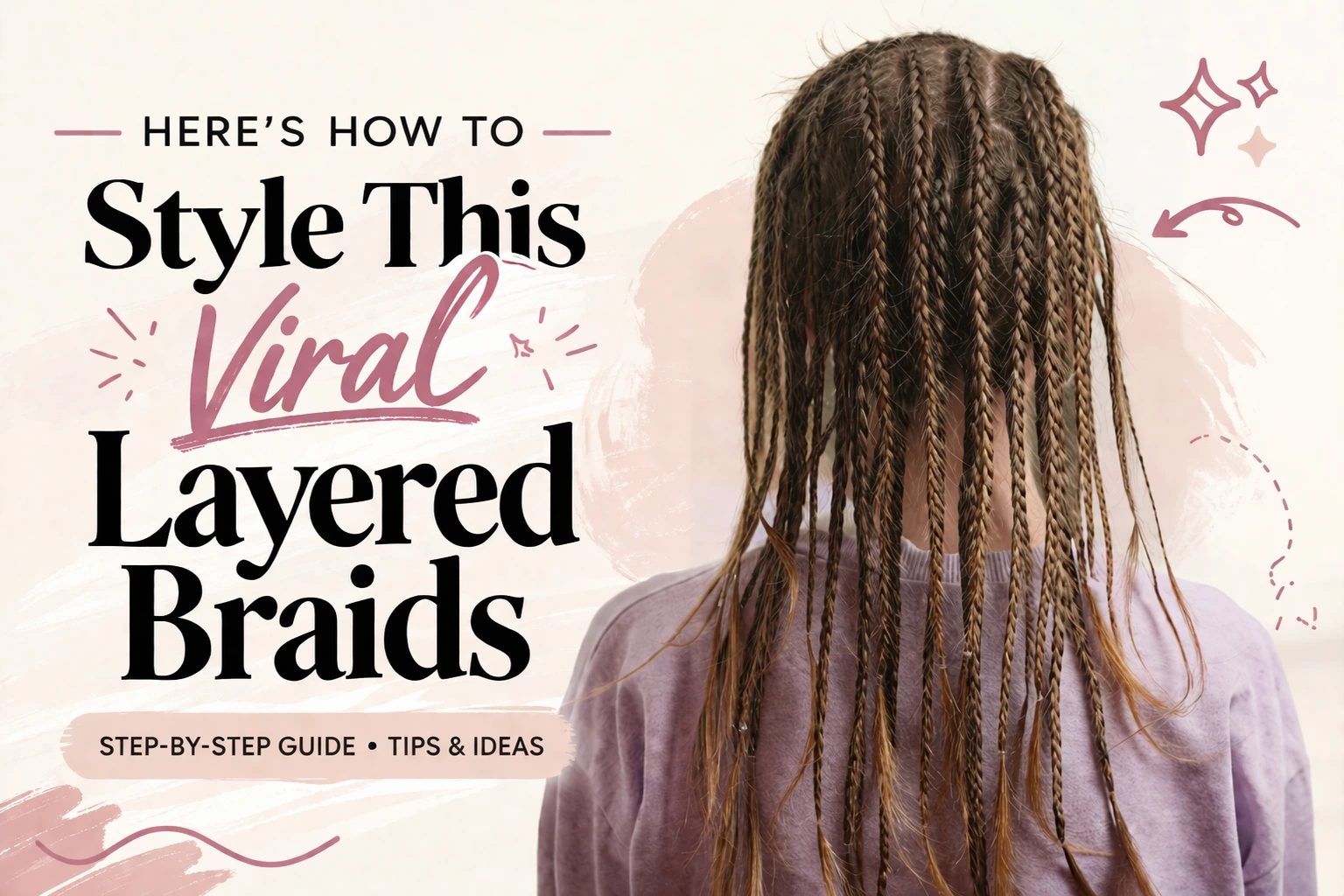
Image: hairstylecamp.com
Depth Comes From Panels, Not Pulling
Most braids lie flat against the scalp because every strand is woven in a single plane. The layered braid look works differently: it builds slim raised ridges in separate panels, so the finished style has visible depth and movement. The braids themselves stay narrow and even — chunky versions lose the effect. The direction matters too. Each braid travels diagonally from the side toward the back of the head, which creates a sweeping line that reads as deliberate and editorial. The secret is that the braids are not all on the same level. The second set of braids is physically placed over the first set, so the pattern stacks. That stacking is what makes the hairstyle look complicated, but it's really just a matter of ordering the sections correctly. Once you understand that the layering comes from the order in which you braid, not from the stitch itself, the process becomes logical.
The Two-Panel Start You Need Before a Single Braid
Clean, completely dry hair is non-negotiable. Brush out every tangle first. Then, with the tail of a rat-tail comb, divide the top of the head into two main sections — one distinctly smaller, one larger. The smaller panel becomes your first layer; the larger one gets clipped away and stays untouched until later. This division is the foundation. Within the smaller panel, split it into several narrow rows. Keep them as even as possible — slim, consistent rows are what give the final braids their refined look. You'll need a few tools: a rat-tail comb for clean parts, sectioning clips, small clear elastics, and either a light-hold hairspray or a water-based styling gel. Use a very light touch with any product; too much makes the hair stiff and hard to braid neatly. The roots need to stay smooth, so product goes where you part, not all over.
Tension, Product, and the Mirror Check
The final polish relies on tension and product choice. These braids should feel snug and controlled, but never sting or cause a headache, especially at the hairline. If a braid hurts, loosen it — secure does not mean tight. For product, you have two options: light-hold hairspray or a small amount of water-based styling gel. Use only a light touch as you part each row to keep roots smooth, and at the end, a light mist of spray can tame flyaways. Avoid spraying before braiding, as it makes the hair stiff. Then evaluate from all sides: from the top you see the stacked pattern; from the side, the diagonal direction reads as sculptural; from the back, the slim lengths add texture without bulk. The finished style should feel secure but comfortable, with movement through the lengths instead of stiffness at the root.

Image: hairstylecamp.com
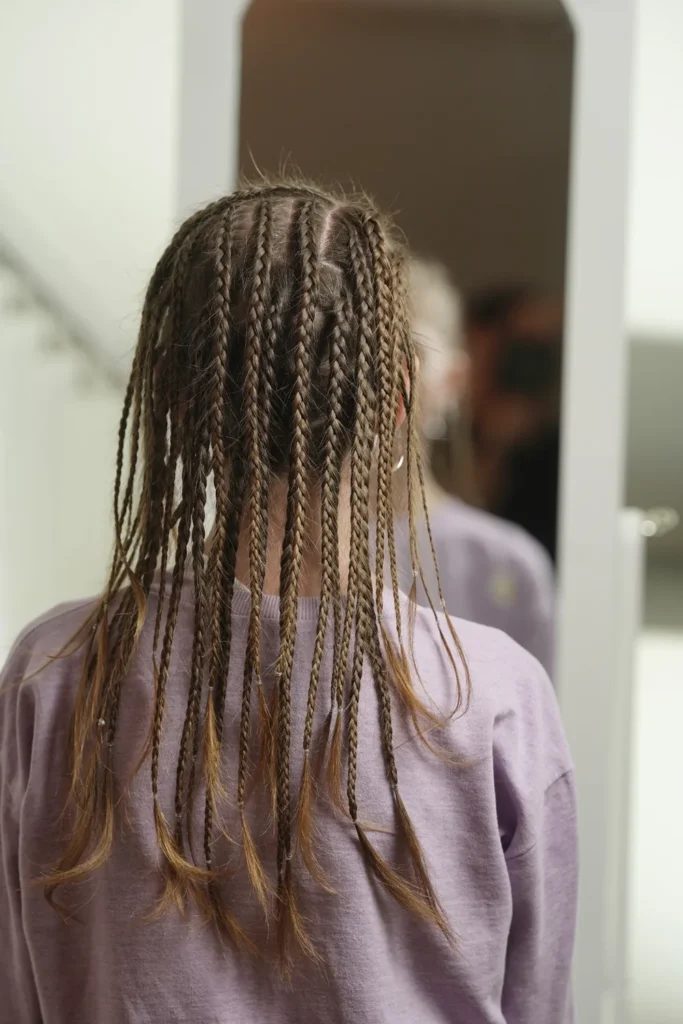
Image: hairstylecamp.com
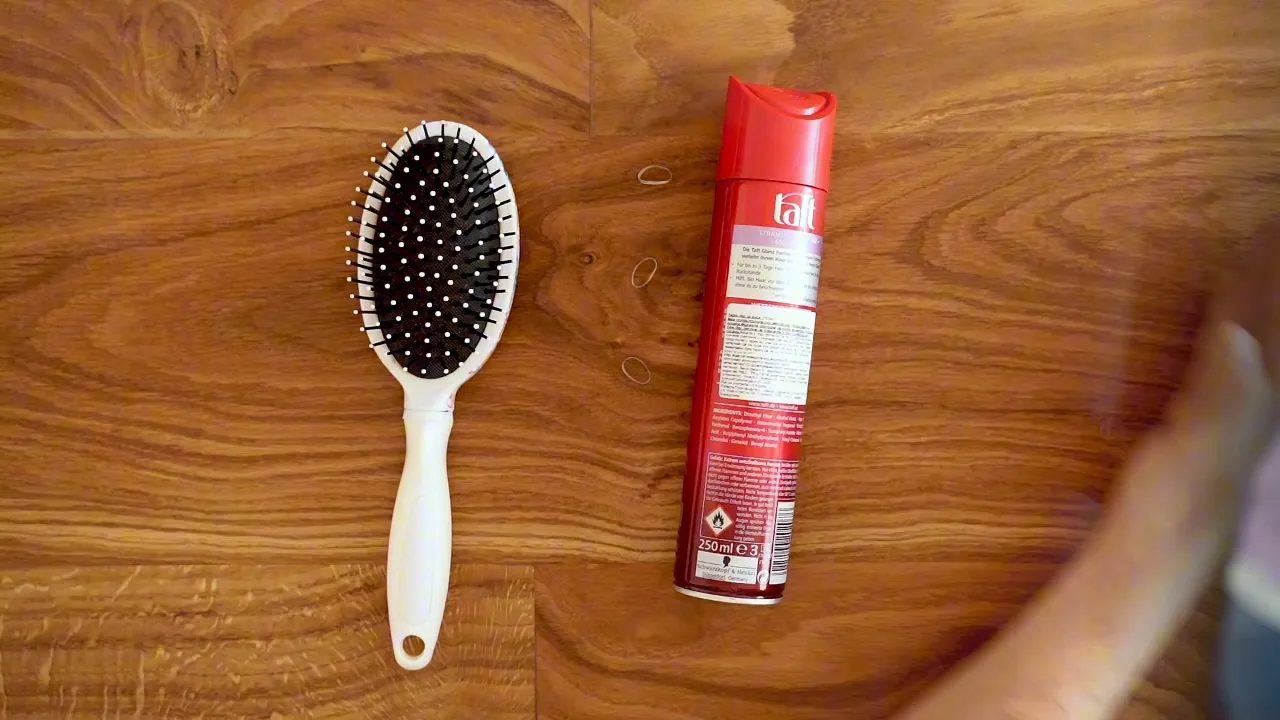
Image: hairstylecamp.com
Draws on source material published at hairstylecamp.com.
Keep reading
What Your Cashmere Price Tag Actually Buys
We went to the mills of Northern Italy to find out why one sweater costs $295 and another costs $29 — and what you get for the difference.

Eight Contradictions That Define the Field Watch
From the spec that created a genre to the skeleton that rejects minimalism, these tensions explain why the field watch feels so right on the wrist.

Fall's Biggest Print Is Deer—and Pencil Skirts Are Going Flowy
From Target shelves to campus coffee shops, the season's trends are a mash-up of nostalgia and new proportions.