Stüssy's Faded Tees Are a Masterclass in Letting the Sun Do the Work
The California label's latest resist-dye treatments turn t-shirts into one-of-a-kind artifacts, and the secret lies in a surfboard-shaping history that can't be faked.
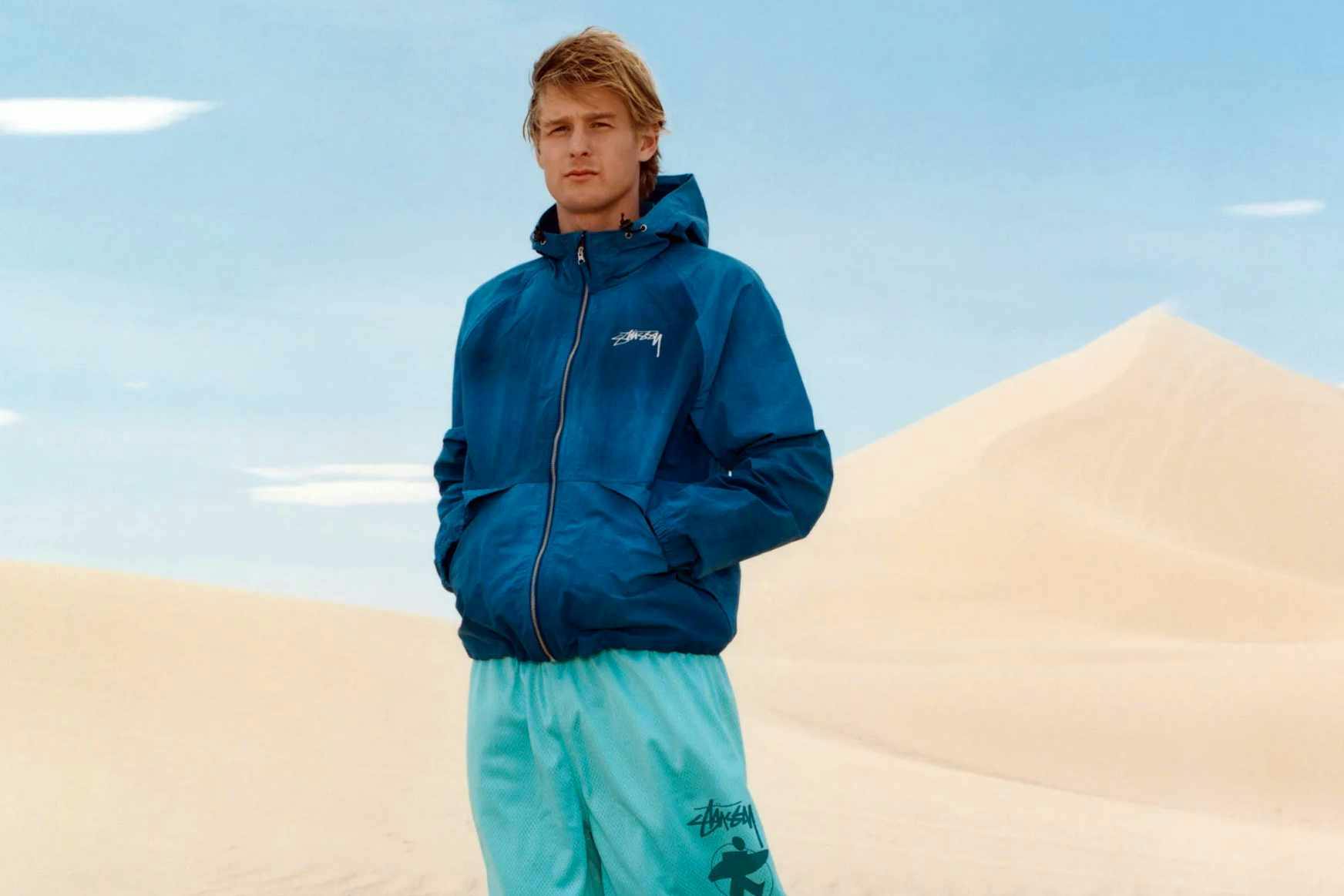
Image: highsnobiety.com
No Two Tees Are the Same
The latest lineup of tees leans on specialty resist dye treatments, a process that produces a high-contrast, washed-out finish reminiscent of a t-shirt left in the California sun for a decade—but with sharper margins. The Burly tee gets a weather-beaten look at the edges and seams, as if it spent one too many afternoons on a beach towel. The Link Sport and Double Venus styles take it further, superimposing faded graphics in layers—like a ghost of a sweater sitting on top of the appropriately named Sweater model. Because resist dye works by blocking color in irregular patterns, each piece comes out slightly different. No two tees ever match, which makes that worn-in familiarity feel less like a factory setting and more like a hand-me-down.
From a Print Shop to the Sun
That lived-in aesthetic isn't manufactured from nowhere. Shawn Stussy grew up around his parents' print company, where he picked up an eye for how ink and fabric interact, and spent his summers getting properly faded—both in color and by the sun. Those two experiences converge in the dye work: the technical understanding of how pigment sets and the relaxed, salt-bleached California look that only comes from hours outside. Stussy himself left the brand decades ago, but the approach he instilled remains. The label doesn't chase the current trend of deconstruction—ripping, patching, and artificially distressing. It simply applies pigment as if it were being left to the elements, letting the material respond naturally.
Why Authentic Aging Wins Over Artificial Distress
The streetwear landscape is crowded with brands chasing the same pre-worn esthetic—cutting holes, adding patches, printing fake creases. Stüssy's version feels different because it doesn't rely on visible damage. The dye penetrates unevenly, creating soft transitions and sun-bleached edges that read as natural. Specialty resist dye treatments give each tee a high-contrast, washed-out look that never repeats—no two pieces are identical, lending a uniqueness that can't be faked. The Burly styles, for example, appear as if left in the sun too long, their edges and seams weathered to a finish that feels earned, not manufactured. There are no gimmicks—just a brand that knows its own history and trusts that the sun, combined with a careful hand, still produces the most honest kind of fade.
Draws on source material published at highsnobiety.com.
Keep reading
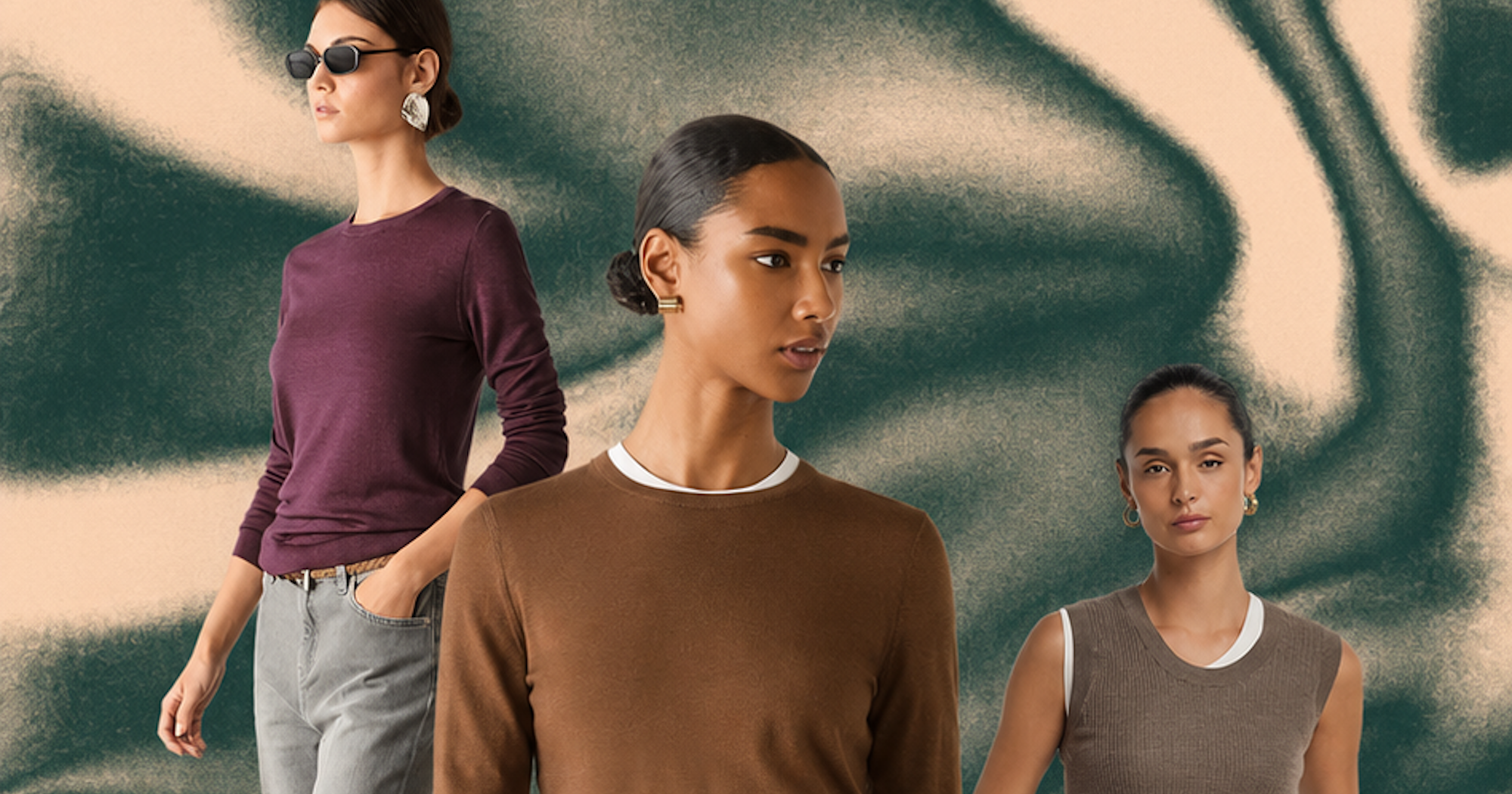
What Your Cashmere Price Tag Actually Buys
We went to the mills of Northern Italy to find out why one sweater costs $295 and another costs $29 — and what you get for the difference.
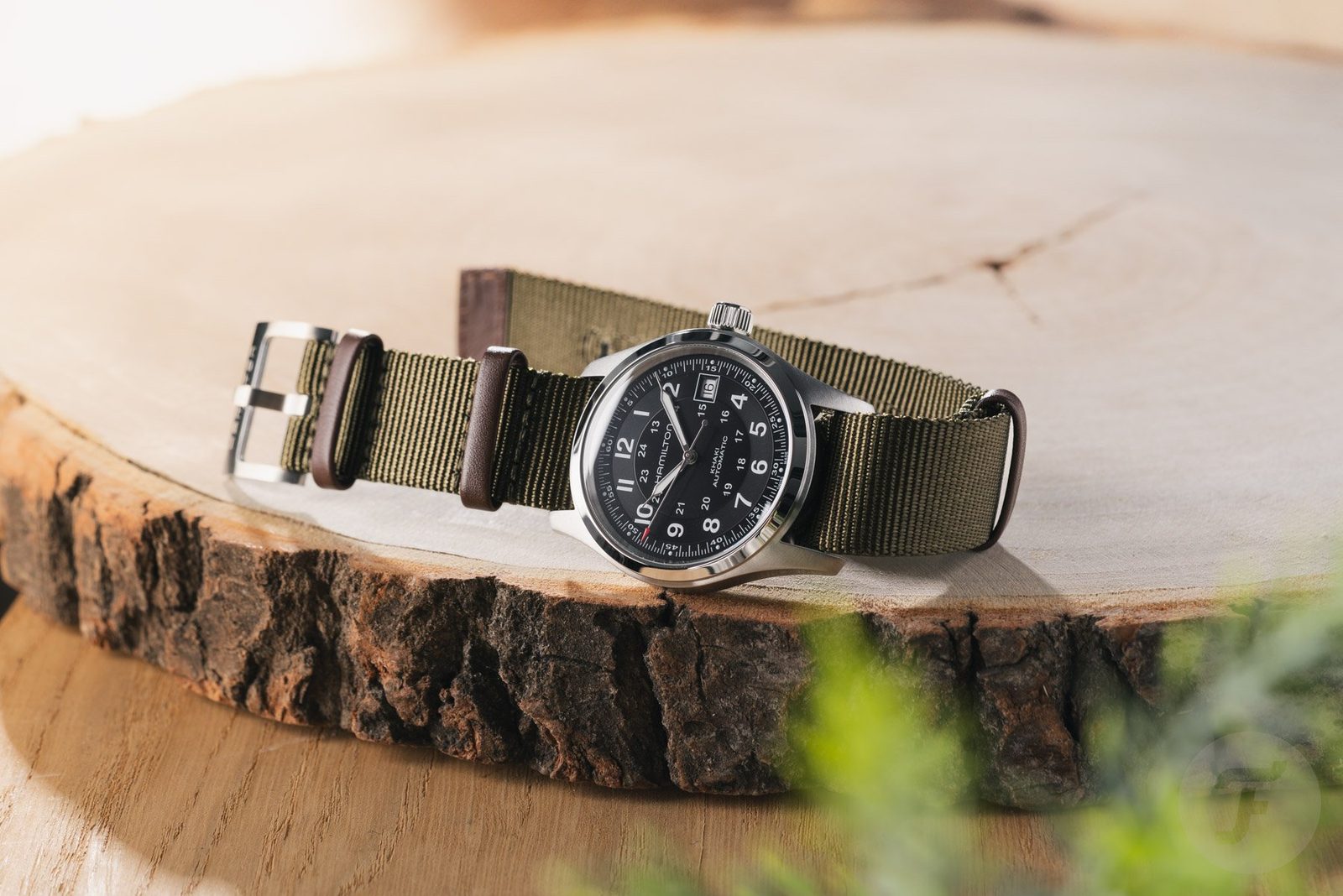
Eight Contradictions That Define the Field Watch
From the spec that created a genre to the skeleton that rejects minimalism, these tensions explain why the field watch feels so right on the wrist.

Fall's Biggest Print Is Deer—and Pencil Skirts Are Going Flowy
From Target shelves to campus coffee shops, the season's trends are a mash-up of nostalgia and new proportions.