Tyler Durden's 'Warrior Cut' Is Back — Here's Who It Suits
The messy, textured haircut from Fight Club is trending again — here's what it is, who it flatters, and how to ask for it.
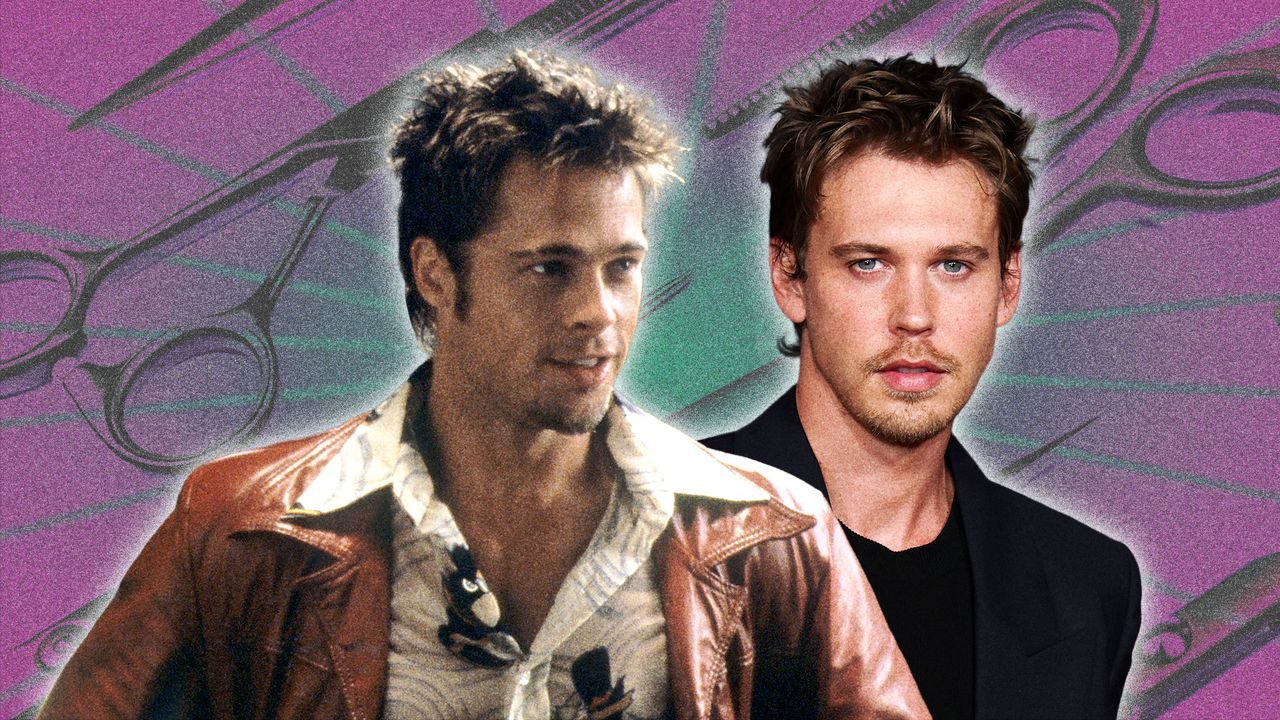
Image: gq.com
What exactly is a warrior cut?
The warrior cut is a heavily textured, layered hairstyle with soft, natural edges and a deliberately undone finish, defined by Luke Davies of Supply91. It uses choppy layering and weight removal to create movement, giving it a lived-in, bedhead look that Davies calls "controlled chaos: bold, masculine, and effortless looking." The style is the opposite of the crisp, tight soccer player haircuts that have been popular. Signature texture comes from point cutting, a technique where hair is cut at an angle, producing a jagged, peaked effect rather than a blunt trim. The back is heavier and sideburns are soft and not too neat. The result requires no obvious styling — you simply run fingers through your hair and go. Unlike a mullet, it avoids stark length contrast; unlike a mod cut, it skips clean lines. Its appeal lies in that messy, lived-in quality that makes it look effortless and personal.
Where did the warrior cut come from?
The warrior cut originated in the '90s, famously worn by Tyler Durden in David Fincher's 1999 film Fight Club. Durden's full look — the red leather jacket, Hawaiian shirts, and that textured crop — has influenced men's style for decades. Luke Davies of Supply91 attributes the current revival to a broader '90s nostalgia wave across fashion, music, and culture, noting that hair naturally follows those trends. Barbers like TJ Hunt see it as a natural progression from the mullet and mod cuts, updating those styles with softer edges and more texture. The haircut has found new life on social media: the hashtag #warriorcut currently pulls thousands of posts on TikTok. Austin Butler's hair has been cited by Hunt as a modern-day equivalent, making the style feel current rather than purely retro. What started as a film character's statement has become a reference point for men seeking a look that's both nostalgic and fresh.
Who does a warrior cut suit best?
The warrior cut suits angular, square, or rectangular face shapes, according to Matt Hughes of Idris Barbering Co., who advises it "won't work so well on a rounder face." Luke Davies adds that the cut's structure complements stronger jawlines and masculine features. Hair type matters even more: the style thrives on naturally straight hair, which is unusual among current trends that favor wavy styles. Because the warrior cut relies on strands sticking up to create its messy profile, tightly coiled or very fine hair struggles to hold that lift—it "doesn’t naturally want to do that," as Hunt notes. The point cutting that creates the jagged texture also works best on straight strands, which accept the angle better than other textures. So the ideal candidate has both a defined jawline and straight hair; those with rounder faces or non-straight textures may find the look falls flat. Even then, the cut can be adapted—some barbers adjust the layering depth—but the core requirement is hair that can stand up on its own.
How is a warrior cut different from a mullet or a mod cut?
The warrior cut borrows from both the mullet and the mod cut but carves out its own identity. TJ Hunt of Time Shoreditch describes it as a natural progression: it retains the heavier back of a mullet, yet softens the edges and keeps sideburns from being too crisp or neat, which nods to mod influence. The key difference is the finish — a warrior cut is messier and more heavily textured, while a mullet often plays on stark length contrasts and a mod cut tends to be more polished with sharp lines. Luke Davies of Supply91 points out that the warrior cut is also more versatile: you can keep it shorter and tighter or leave more length on top for a relaxed, '90s-inspired finish. It's a niche, cool option compared with the ubiquity of mullets, offering character without looking like you've tried too hard. The overall effect is controlled chaos, not the deliberate neatness of a mod or the party energy of a mullet.
What should you ask your barber for to get a warrior cut?
Ask for "a heavily textured, layered cut with deep point cutting," says Luke Davies of Supply91. Emphasize that you want plenty of movement through the top and soft, natural edges—not a sharp, geometric outline. The cut relies on point cutting, where the barber trims at an angle to create a jagged, mountain-peak effect rather than a blunt line. Because there are "quite a few variations," Davies stresses bringing a reference photo so you and your barber are "looking at the same thing." The style is versatile: you can keep the shape shorter and tighter for a cleaner take, or leave more length through the top for a relaxed, '90s-inspired finish. Matt Hughes of Idris Barbering Co. notes that most barbers already recognize the warrior cut by name, so saying it outright works, but the photo ensures the variation you want. During the consultation, specify the length and texture level—deep point cutting creates the undone look, while lighter cutting yields a softer effect. Avoid requesting crisp lines or a neat outline, as the deliberately messy finish is the point.
How do you style a warrior cut?
Styling a warrior cut is intentionally low-effort. Start with a pre-styler like a sea salt spray, applied to damp or towel-dried hair. Then blow dry upwards and outwards, without concentrating on any specific shape or direction—the look benefits from not being overly styled. For a natural, dry matte finish, that may be all you need. To define strands and add hold, use a clay or a stronghold paste. For fine hair, a small amount of hair powder can add extra volume and grip. The goal is to enhance the messy, bedhead texture rather than fight it. Run your fingers through your hair and go; the cut is designed to look good without precision. As Hughes says, "We all know what the warrior cut is now," so the styling should feel intuitive and loose.
Which hair products work best for a warrior cut?
The warrior cut's undone look demands products that add texture without weighing hair down. A sea salt spray—like Evo Salty Dog Salt Spray—is the go-to pre-styler; mist it into damp, towel-dried hair, then blow dry upward and outward to build natural volume and movement. For hold, a matte paste or clay such as Evo Box O' Bollox Texture Paste or Oway Supreme Matt Paste defines individual strands while leaving a dry, matte finish that doesn't look polished. Stronghold pastes work best if you want a firmer shape, but use them sparingly—overworking defeats the style. Evo Haze Styling Powder adds lift and grip for fine hair without stiffness, while Kevin Murphy Night Rider provides a flexible, matte hold for longer, heavier lengths. The key is to keep product minimal: a light dab spread through fingertips, then tousled in. Avoid gels or heavy creams that flatten the jagged layers. With the right products—and a light touch—the warrior cut stays messy, lived-in, and effortless, exactly as intended.
Why is the warrior cut trending again?
The warrior cut is enjoying a resurgence thanks to a potent mix of '90s nostalgia and social media's appetite for retro style. On TikTok, the hashtag #warriorcut has amassed thousands of posts, giving the look a second wind. The style's lineage traces to David Fincher's Fight Club, where Tyler Durden's messy hair epitomized anti-establishment attitude. Luke Davies of Supply91 notes that people are 'moving away from haircuts that look overly polished or overly styled,' and the warrior cut offers an effortlessly undone alternative. And while it's still a niche choice, it's one that suits straight hair particularly well—a rarity among trends that favor wavy styles. Austin Butler's modern-day take on the cut, noted by TJ Hunt, adds celebrity cachet. The result is a statement that doesn't look like you've tried too hard, with character that grows out gracefully. That combination—nostalgia, effortless cool, and a break from precision—explains why it's back.
Draws on source material published at gq.com.
Keep reading
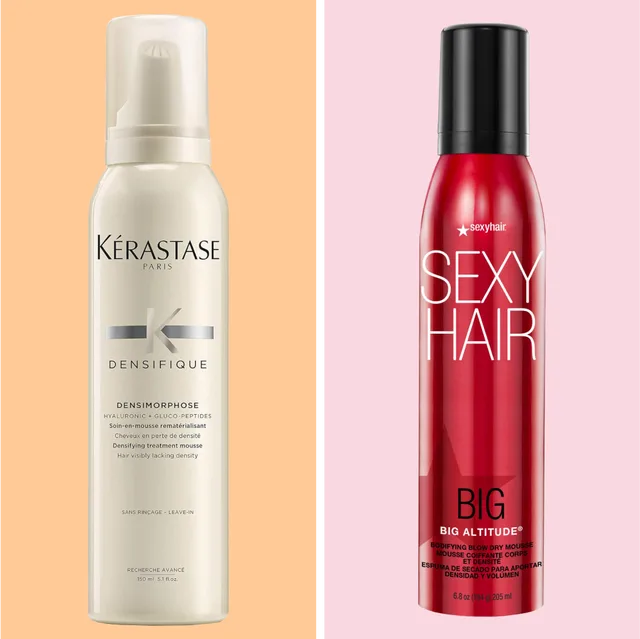
Volumizing Mousses That Give Fine Hair Real Lift
Celebrity stylists name the five mousses that add fullness to fine and thinning hair without the weight of gels or creams.
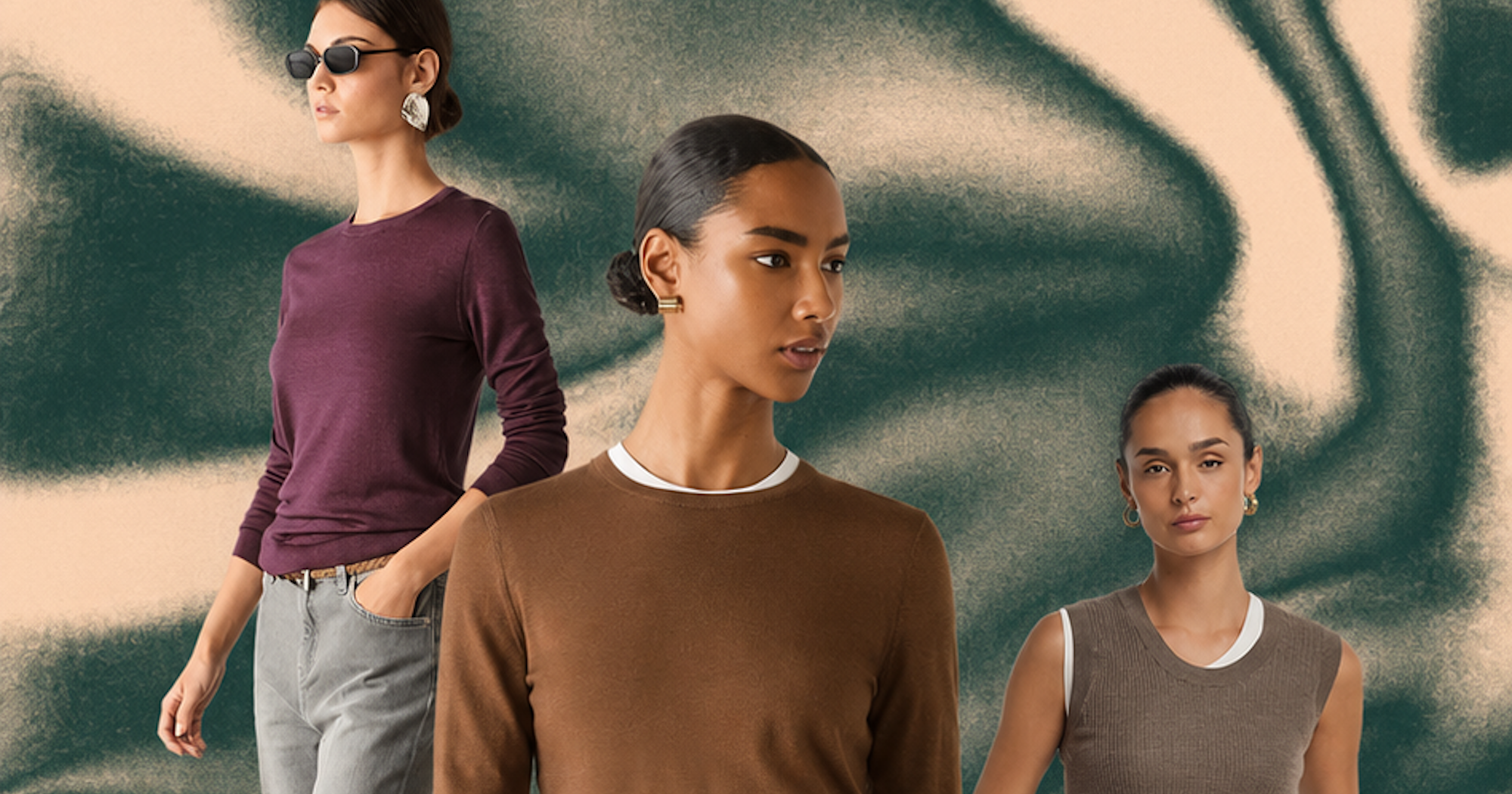
What Your Cashmere Price Tag Actually Buys
We went to the mills of Northern Italy to find out why one sweater costs $295 and another costs $29 — and what you get for the difference.
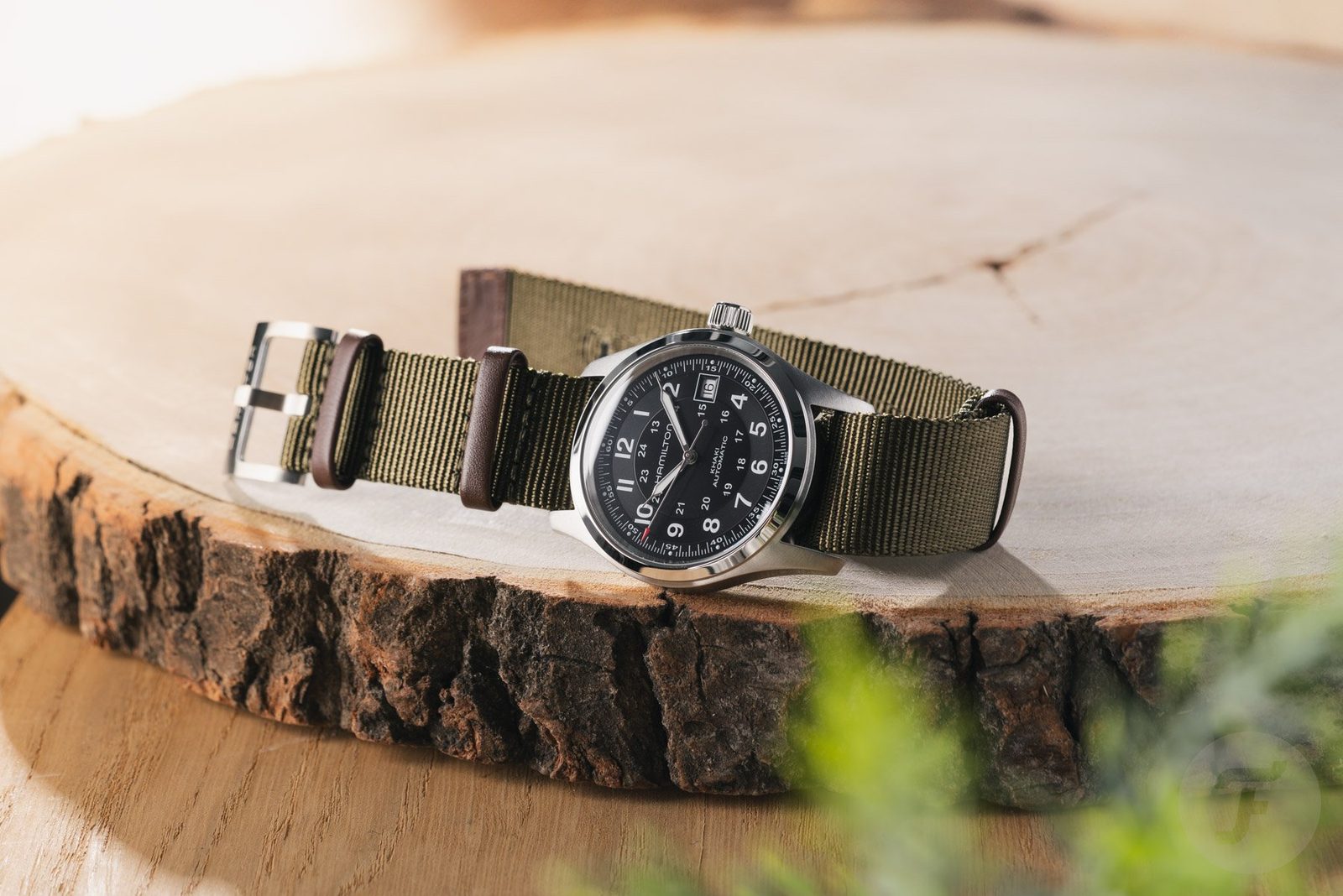
Eight Contradictions That Define the Field Watch
From the spec that created a genre to the skeleton that rejects minimalism, these tensions explain why the field watch feels so right on the wrist.