Seiko Rebuilds Its 1913 Laurel — in Fired Enamel and Layered Urushi
Two new Presage Craftsmanship references rework Japan's first wristwatch as hand-built white enamel and black lacquer, at €1,430 and €1,640.
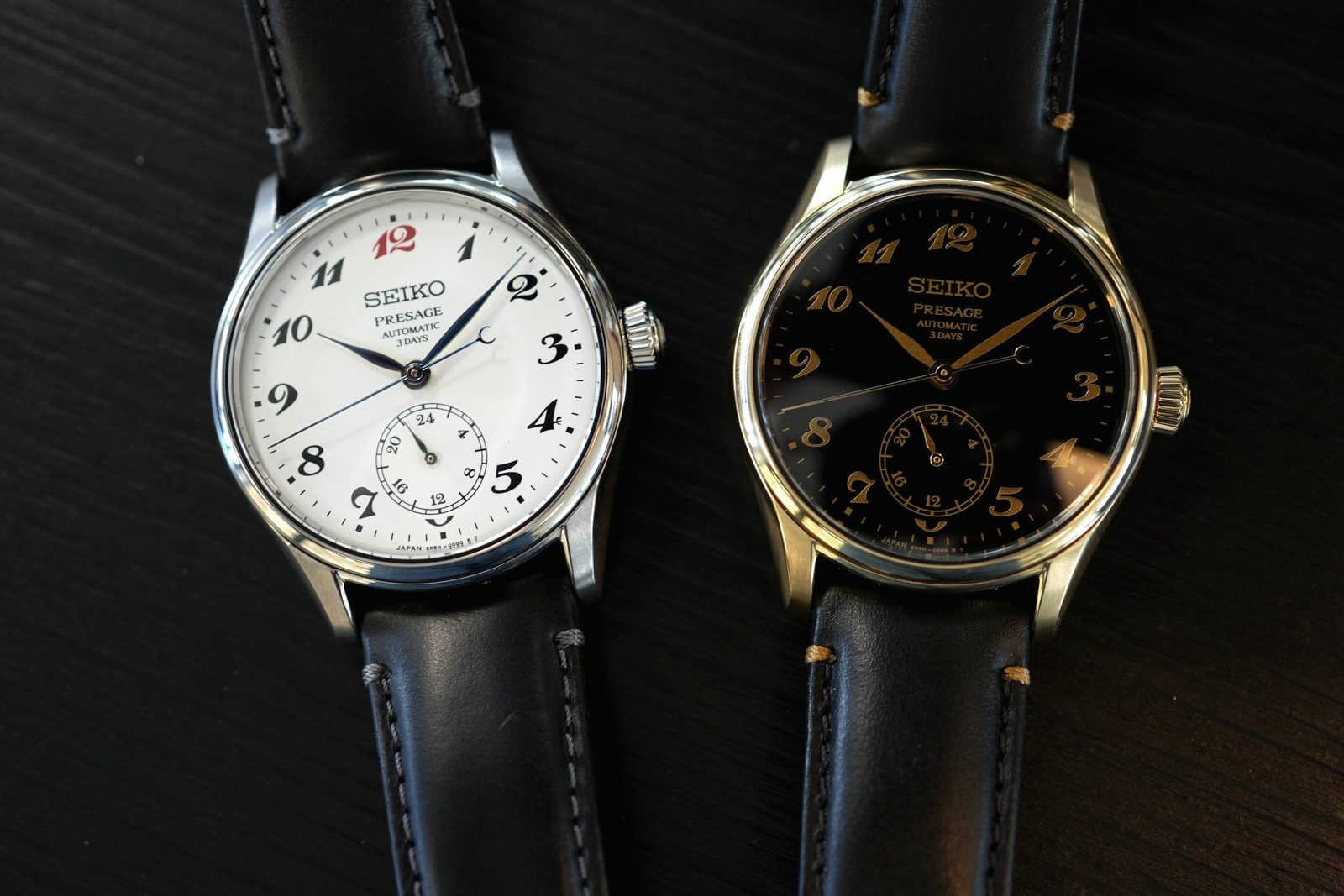
Image: monochrome-watches.com
Japan's First Wristwatch, Revisited
The Laurel that Seiko released in 1913 was Japan's first wristwatch, and its dial has aged better than almost anything from that era. Arabic numerals in a curved, hand-drawn style, a bright red '12' sitting above centre, a small seconds register near the bottom edge. The new Presage Classic Series 'Craftsmanship' pair, references HCC005 and HCC006, rework the Laurel's layout twice — once in glossy white enamel, once in deep black urushi lacquer with gold markings. Where the enamel HCC005 stays closest to the original's soft, pale look, the HCC006 functions as a night-time version of the same design: gold numerals and gold hands against a lacquered black field. Both enter the catalogue as continuous-production watches rather than limited editions, and Seiko has positioned the pair as a permanent addition to the collection, not a numbered collectible.
Enamel, Fired at 800°C
Enamel is the more demanding of the two dial disciplines, and the HCC005's face shows why. The dial begins as finely ground enamel applied to a copper base, then is fired repeatedly at temperatures approaching 800°C. Moisture, humidity and even the glaze's own composition shift the result from batch to batch, which is why master artisan Mitsuru Yokosawa oversees production, with his apprentice Kazunori Uchiyama handling execution. The finished surface is glossy white with a recessed centre that pulls the eye inward — a concave detail that complicates firing but gives the dial its depth. The technique is prized for its permanence and resistance to fading, which is the point: a properly made enamel dial holds its colour for generations rather than yellowing or losing contrast. The Laurel's type treatment carries over in full, with the blue handset reading crisply against the fired white.
Urushi's Two Traditions
The HCC006's black dial is built without firing. Urushi is a lacquer derived from the sap of the lacquer tree, applied by hand in successive coats and polished repeatedly until it reaches a dense, glossy black. The gold numerals — Breguet-style in shape — and the gold hands are painted with lacquer mixed with sprinkled gold powder, which gives the markings a granular, slightly sparkly finish under direct light. The work is supervised by Isshu Tamura, a master of the Kanazawa urushi tradition from Ishikawa Prefecture, and executed by Toshikazu Tsuji and his daughter Mitsuki Tsuji, whose workshop roots are in Echizen urushi from Fukui Prefecture. The two schools approach the material differently: Echizen prioritises sturdy, utilitarian division-of-labour production for everyday objects, while Kanazawa sits at the luxury end, known for opulent maki-e gold-powder decoration and gold leaf. Combining both lineages gives the dial its unusual mix of toughness and show.
Casework and Calibre 6R5H
Both watches share a case measuring 39.6mm in diameter, 12.4mm thick and 46.8mm lug-to-lug — the same shape Seiko uses for the cobalt-blue Arita porcelain HCC007. The HCC005's stainless steel carries Seiko's super-hard coating, while the HCC006's case is plated in a warm yellow gold-coloured finish that sets off the black dial. A dual-curved sapphire crystal with anti-reflective coating sits up front, and a screw-down exhibition caseback exposes the movement; water resistance is 30 metres. Power comes from the automatic Calibre 6R5H, beating at 21,600 vibrations per hour with a 72-hour power reserve and 24 jewels. Accuracy is rated at +25 to -15 seconds per day in normal temperature ranges. One quirk: the 24-hour subdial at 6 o'clock is synchronised with the main time, not a separate timezone, so it functions as a day-night indicator rather than a true GMT hand.
The Price of Handwork
The enamel HCC005 retails at €1,430; the urushi HCC006 at €1,640. Each watch is paired with an oil-tanned leather strap sourced from tanneries certified by the Leather Working Group, closed with a three-fold deployant clasp. Availability begins in September 2026 through Seiko boutiques and selected retailers worldwide. Both dials are produced under the supervision of a master artisan with an apprentice or family successor: Mitsuru Yokosawa with Kazunori Uchiyama for enamel, and Isshu Tamura with Toshikazu Tsuji and Mitsuki Tsuji for urushi.
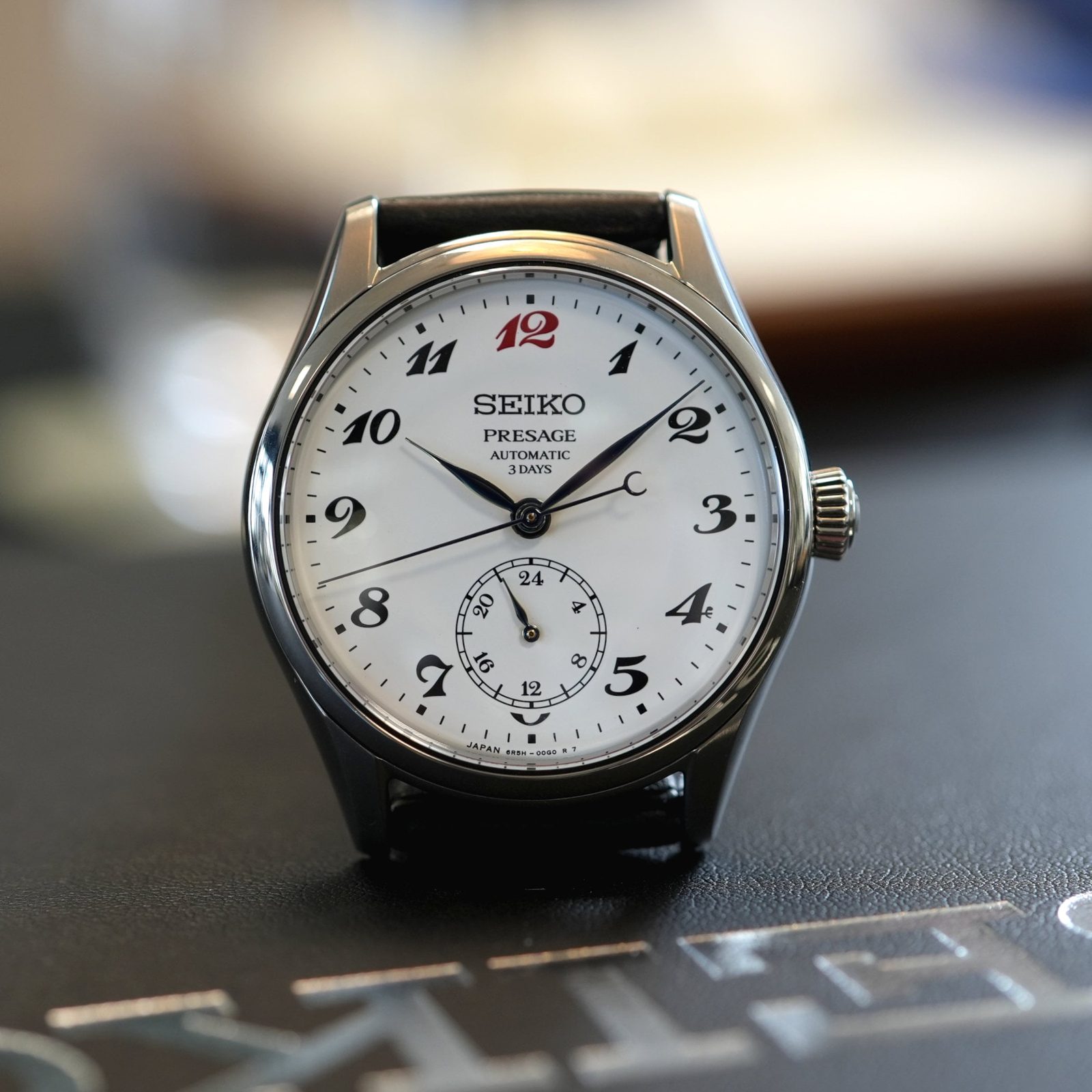
Image: monochrome-watches.com
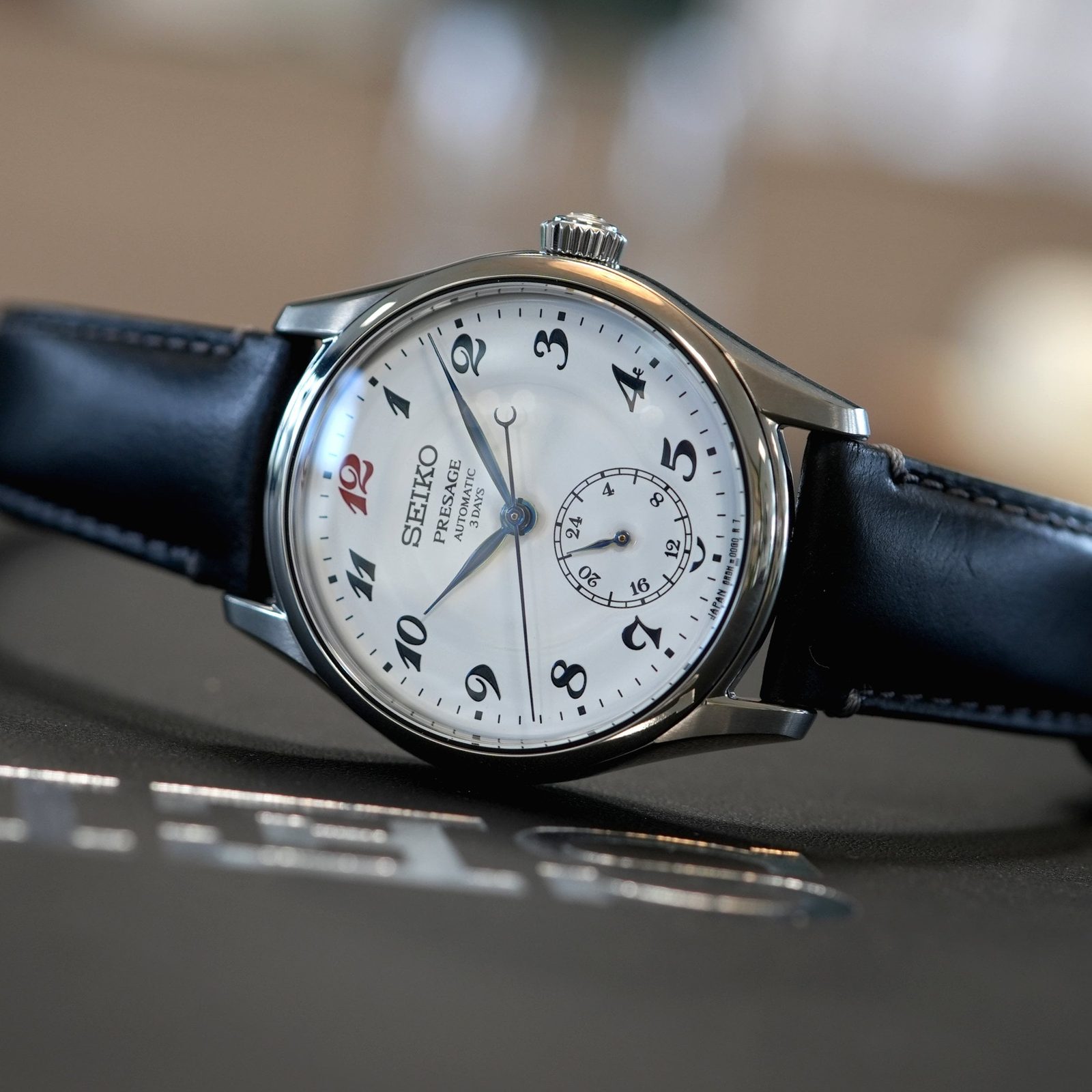
Image: monochrome-watches.com
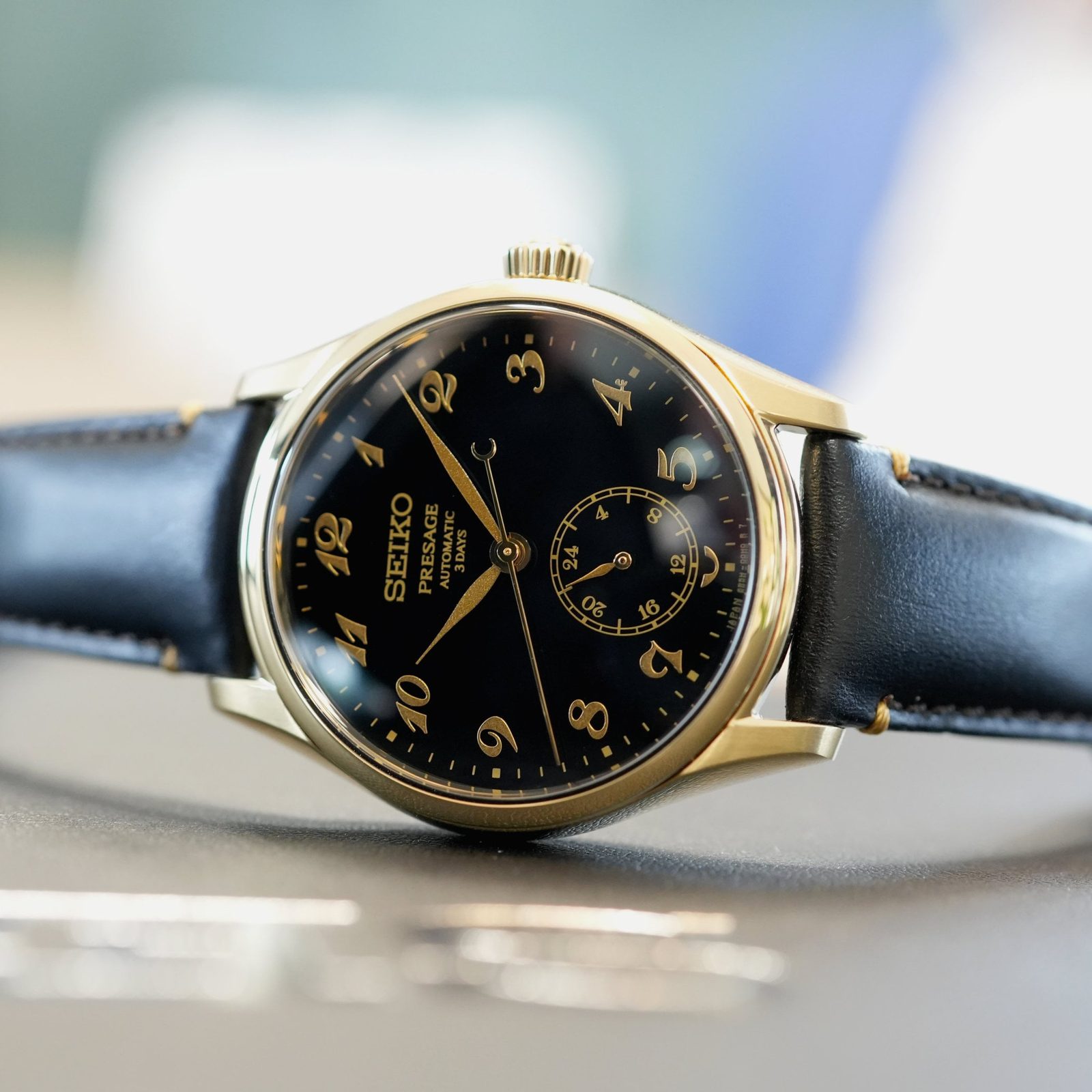
Image: monochrome-watches.com
Draws on source material published at monochrome-watches.com.
Keep reading
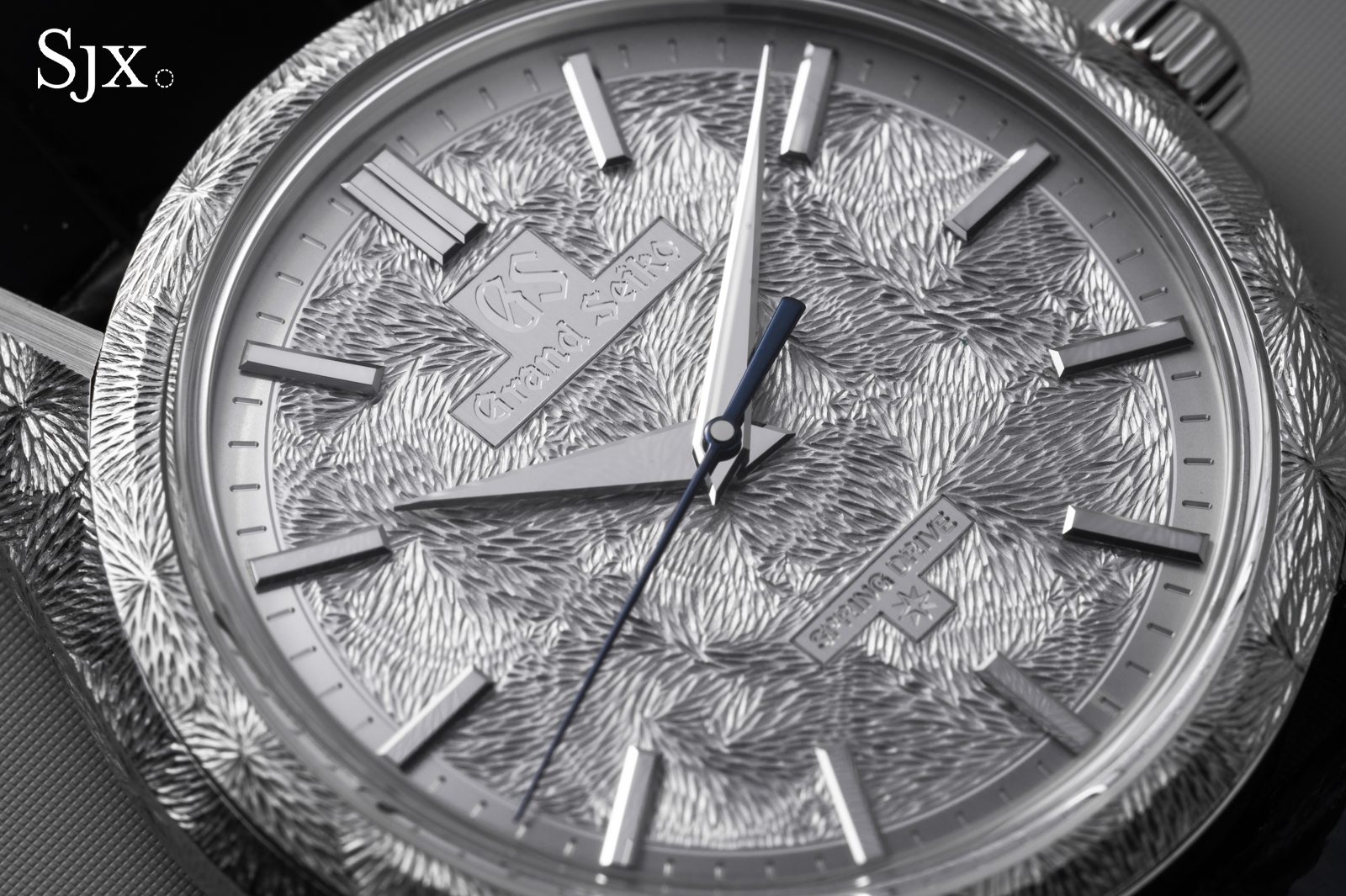
Fifty Grand Seikos, No Two Alike: Inside the Hand-Engraved Hisen
Grand Seiko's Hisen SBGZ011 pairs a free-hand-engraved platinum case with a 9R02 Spring Drive movement that carries an 84-hour power reserve and a torque-return system found nowhere else in the catalog.
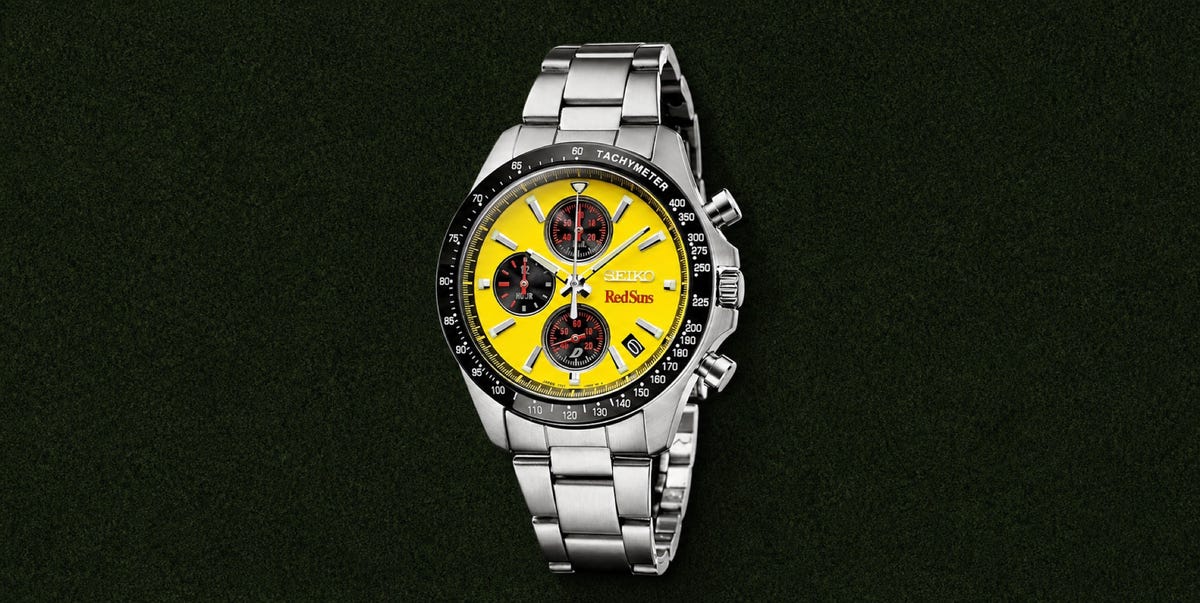
Seiko's Initial D Chronograph Is a Love Letter to Keisuke Takahashi's RX-7
A yellow-dialed, rotary-nodding limited edition that hides its best references in the sub-dials.

What Your Cashmere Price Tag Actually Buys
We went to the mills of Northern Italy to find out why one sweater costs $295 and another costs $29 — and what you get for the difference.